Naji al-Ali Cup in Shatila camp commemorates Palestinian artist and revolutionary
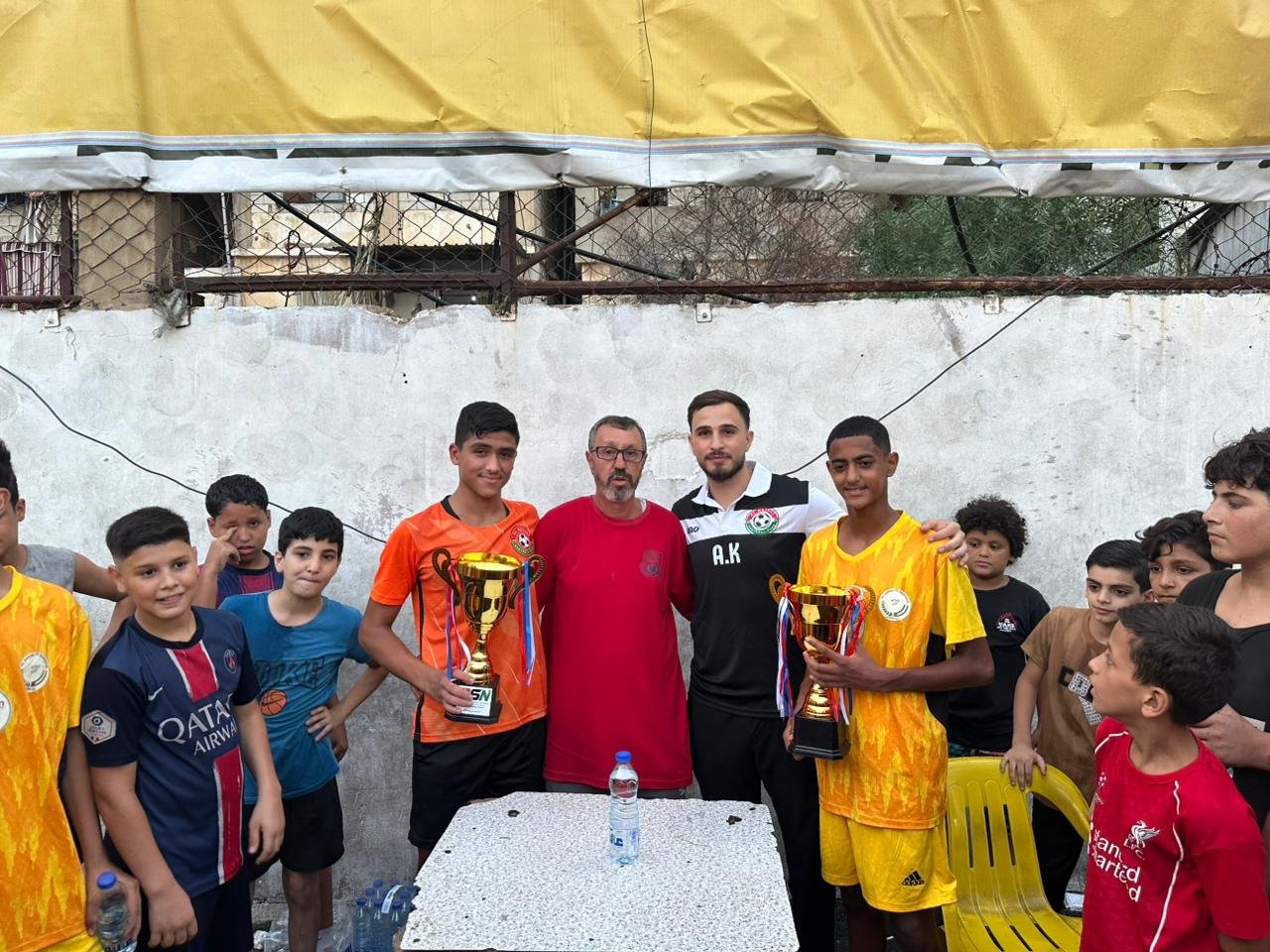
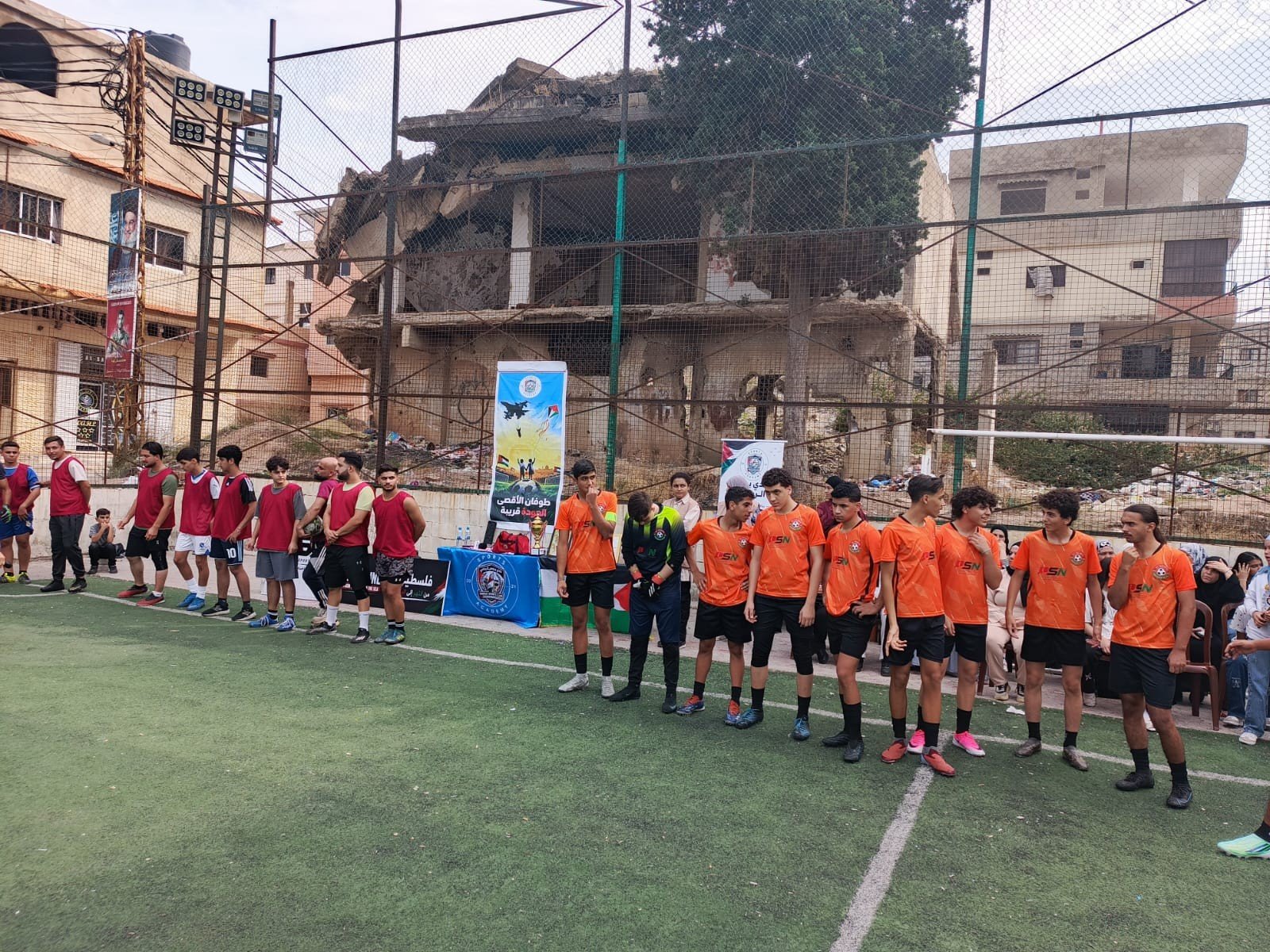
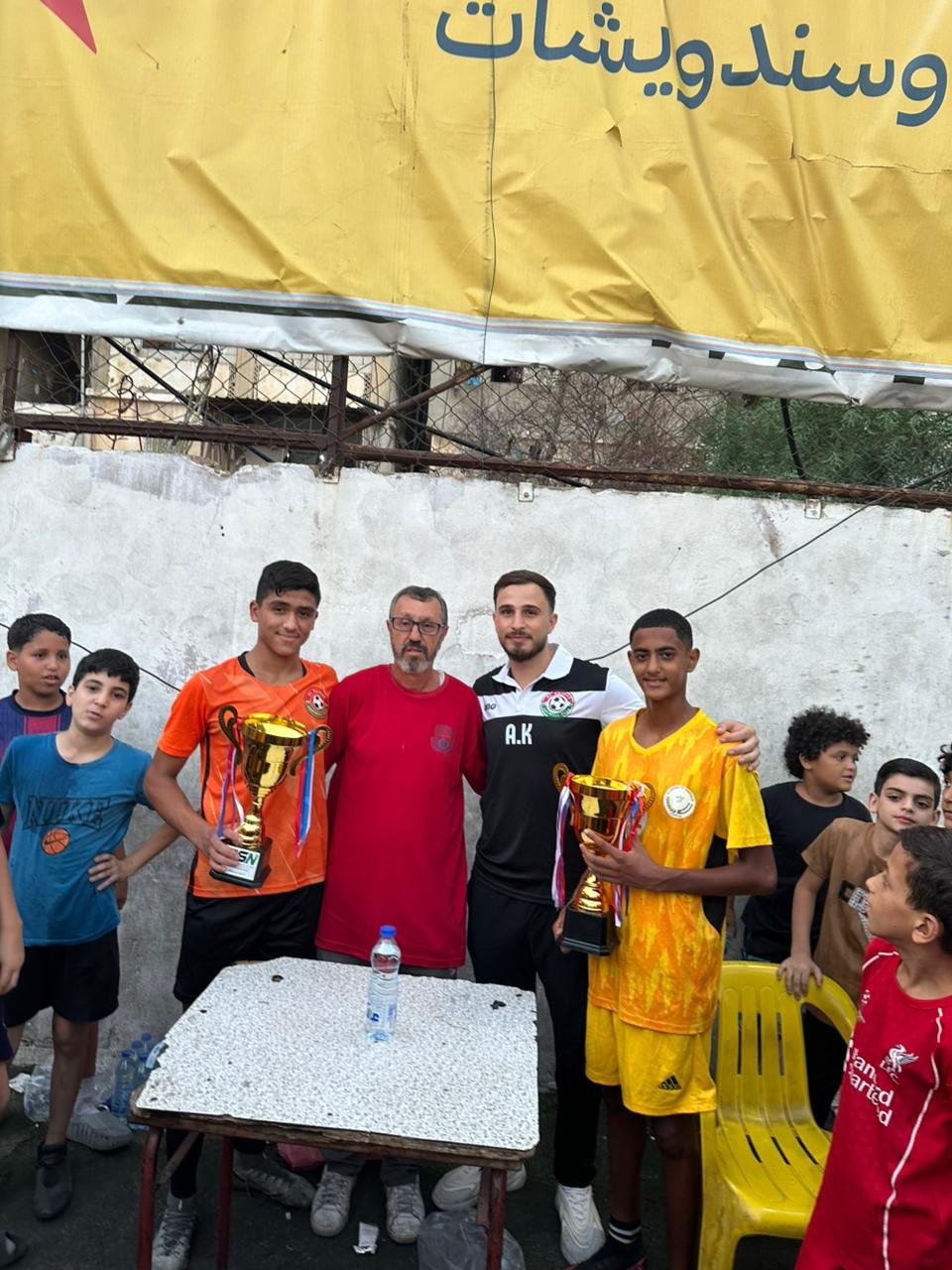
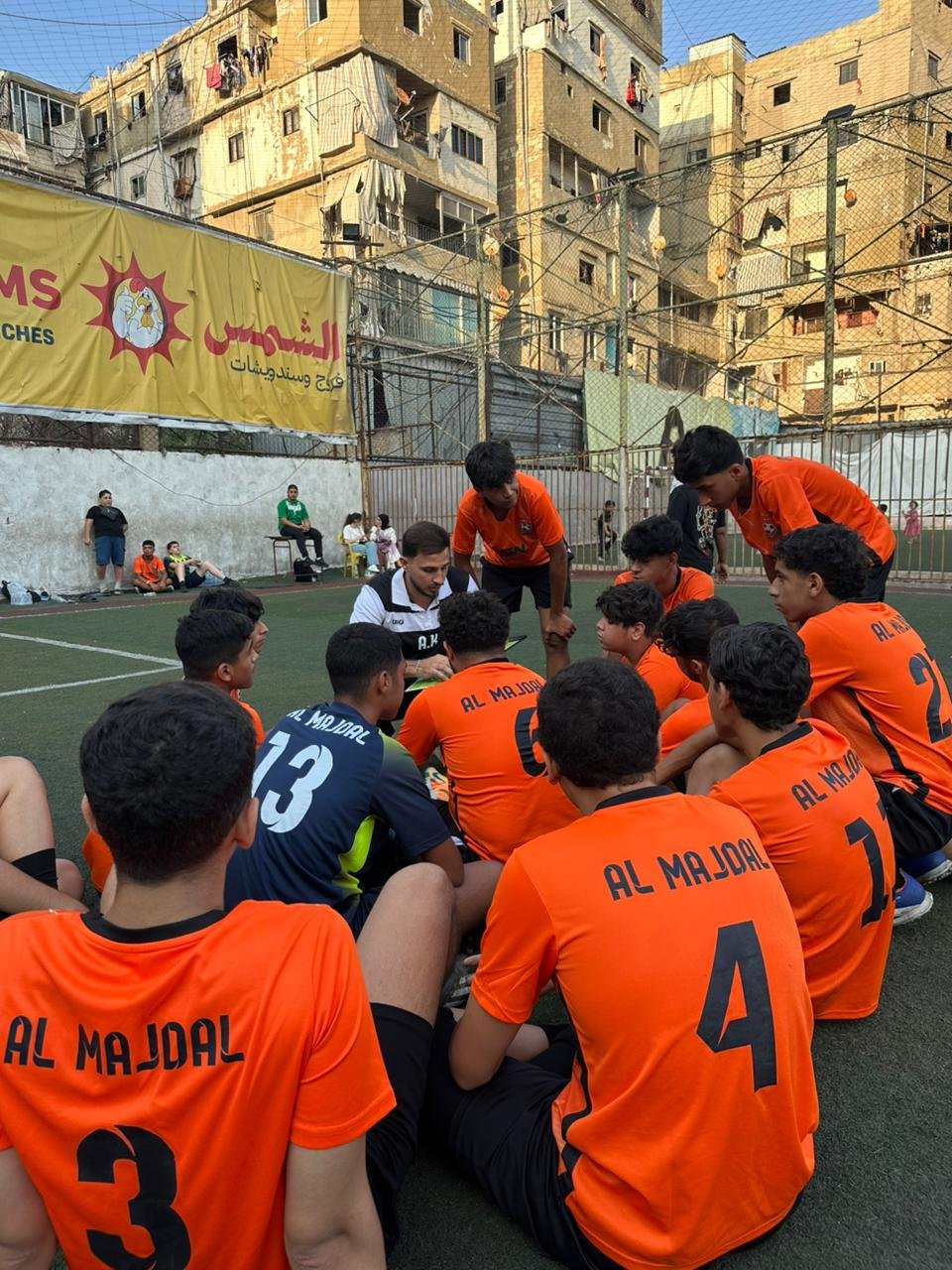
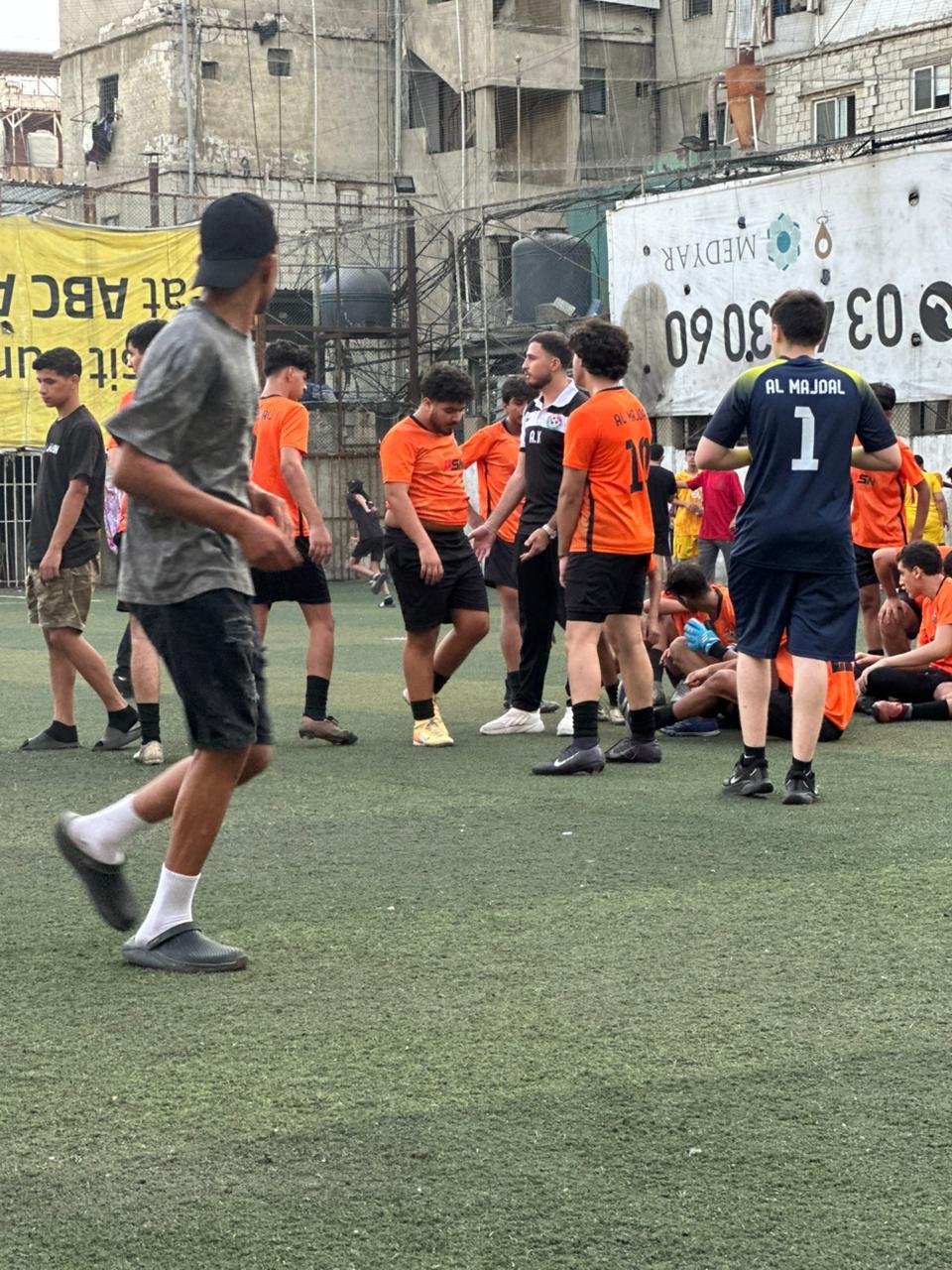
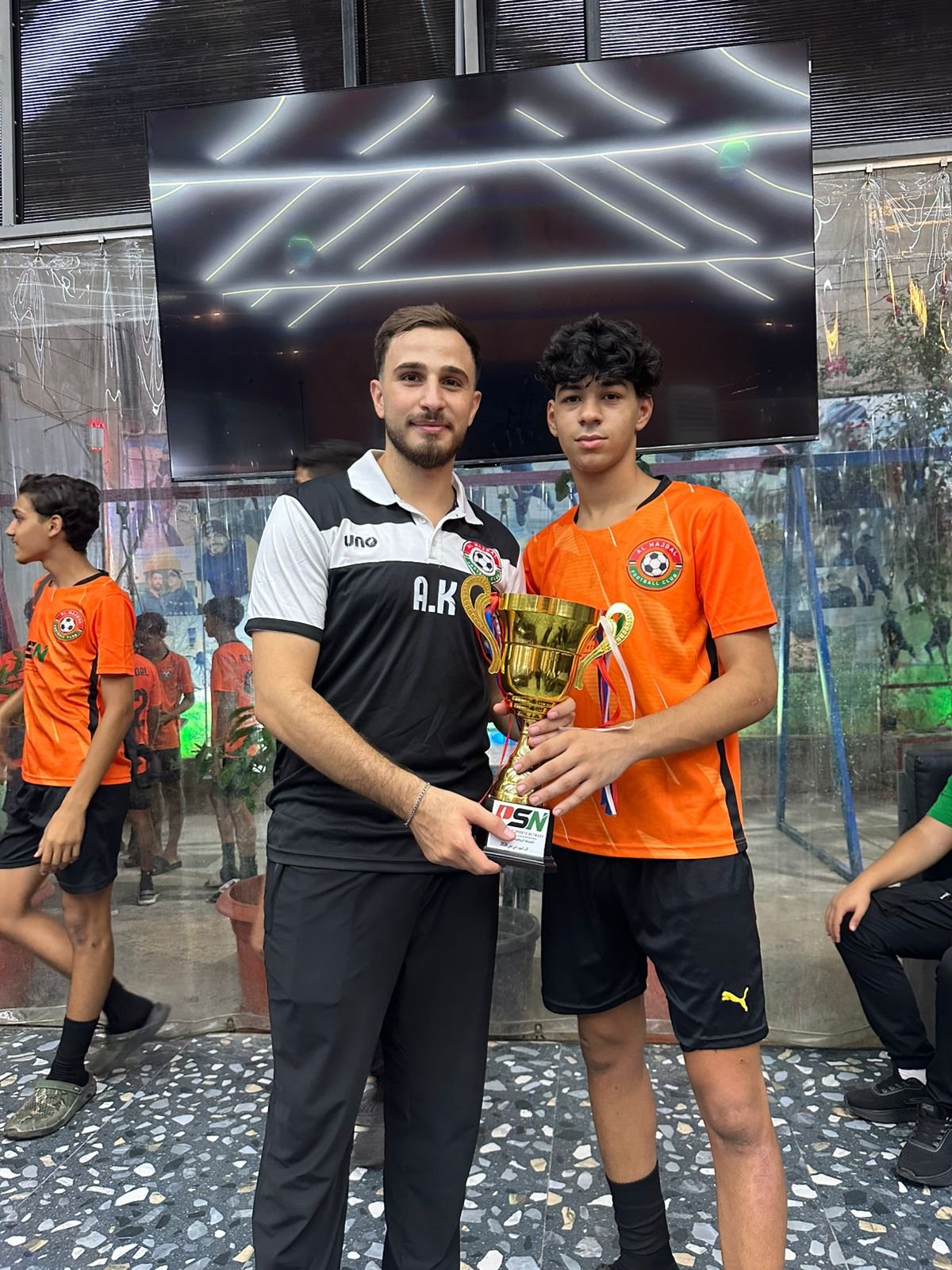
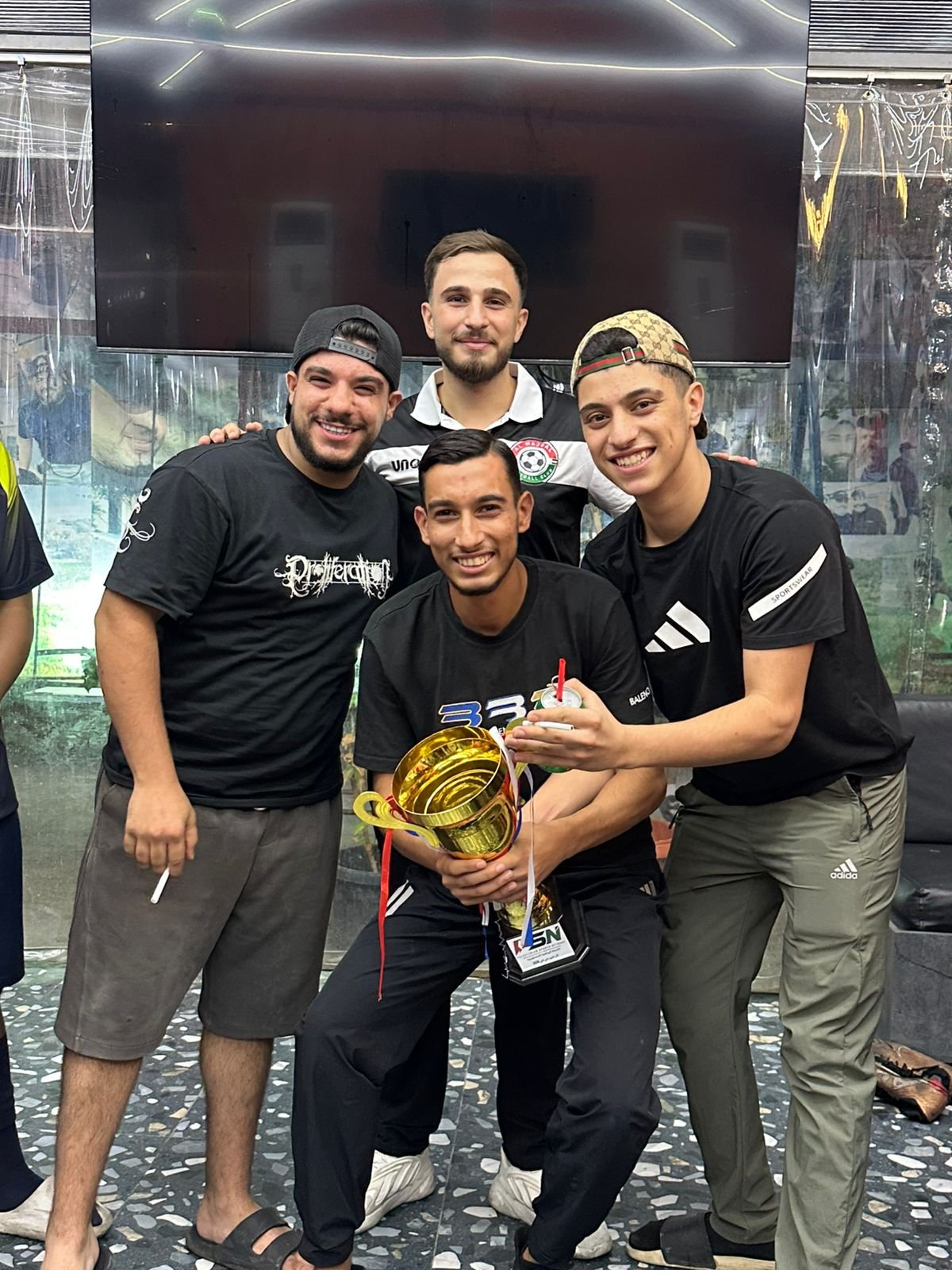
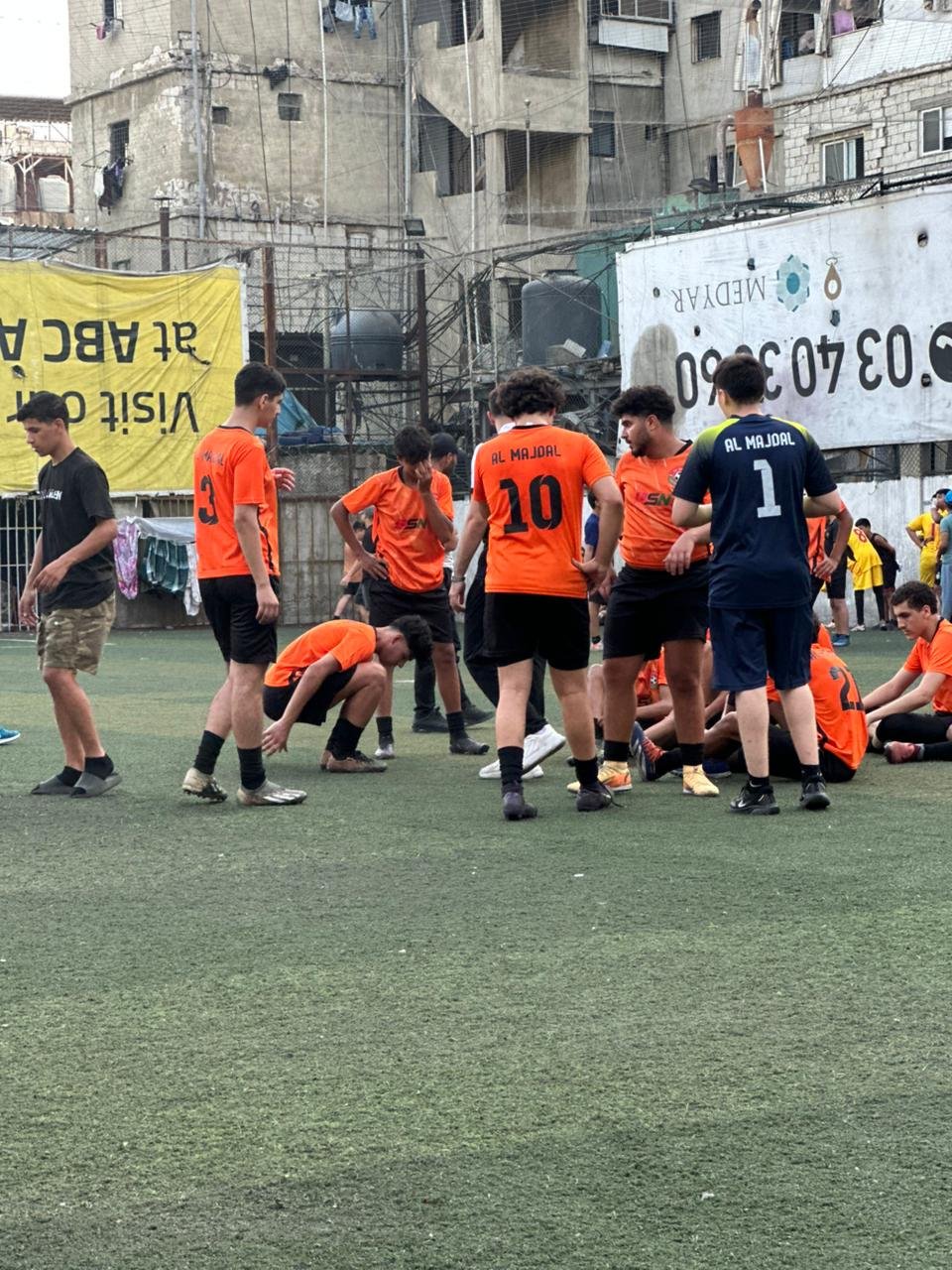
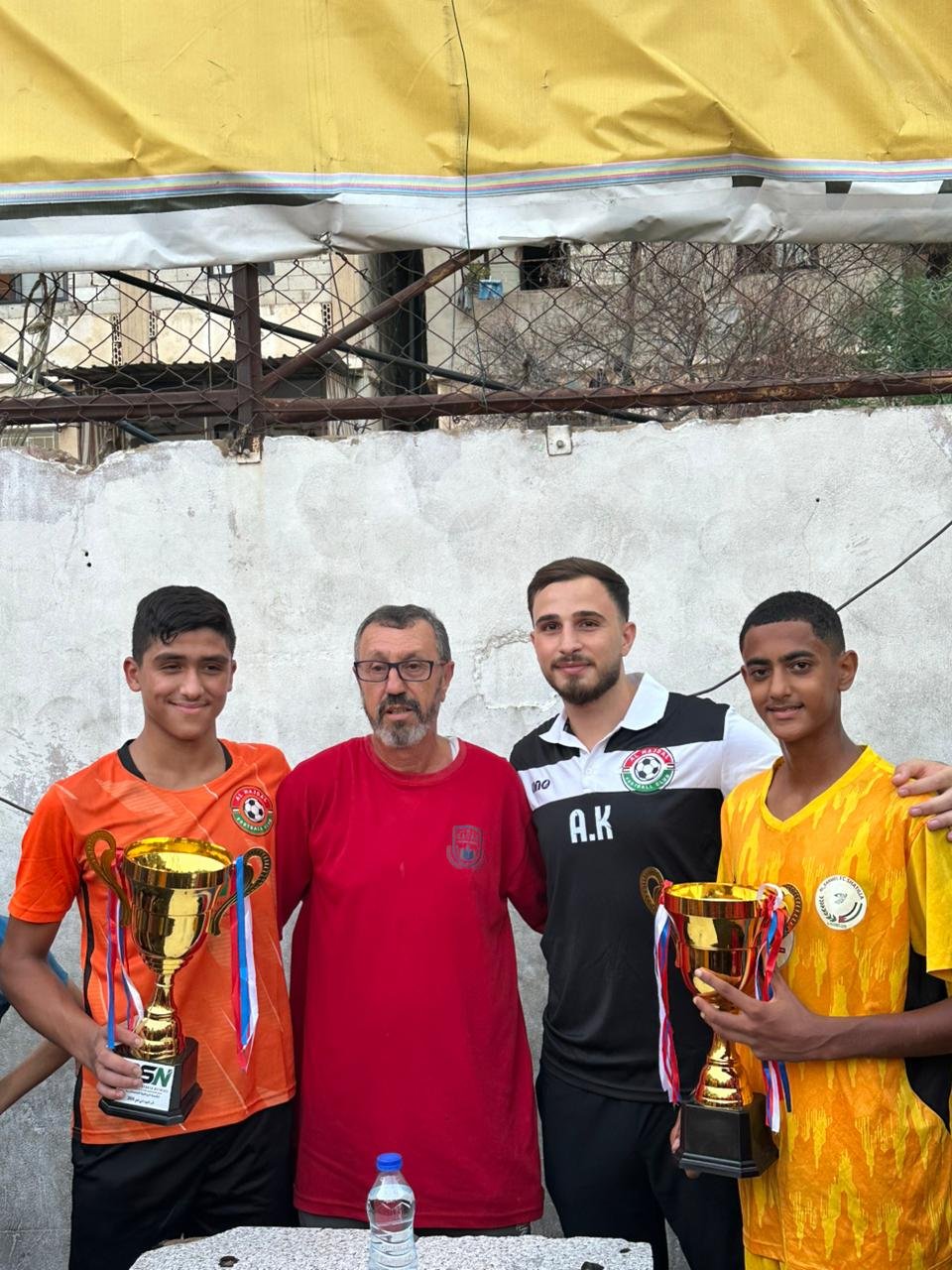
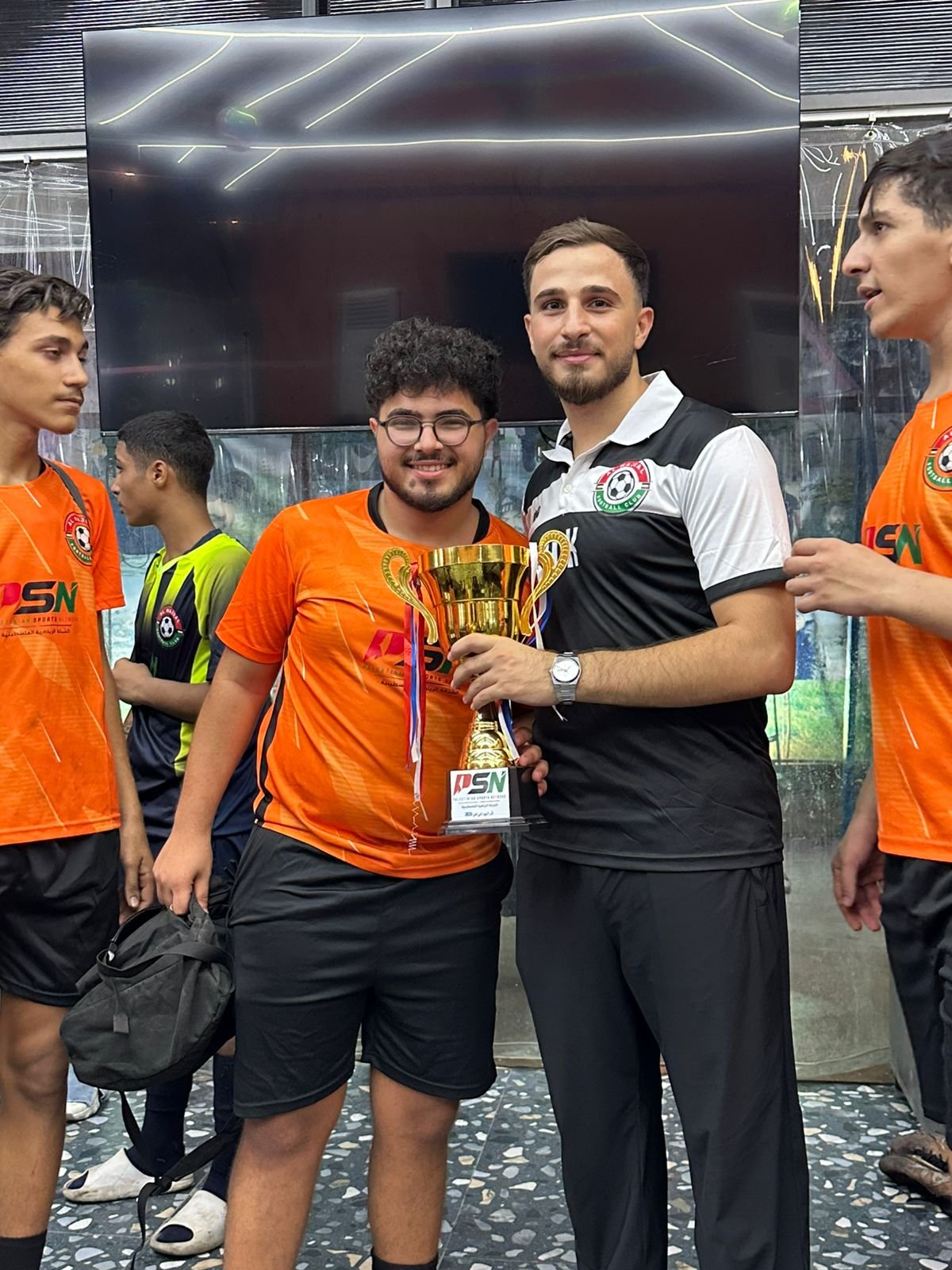
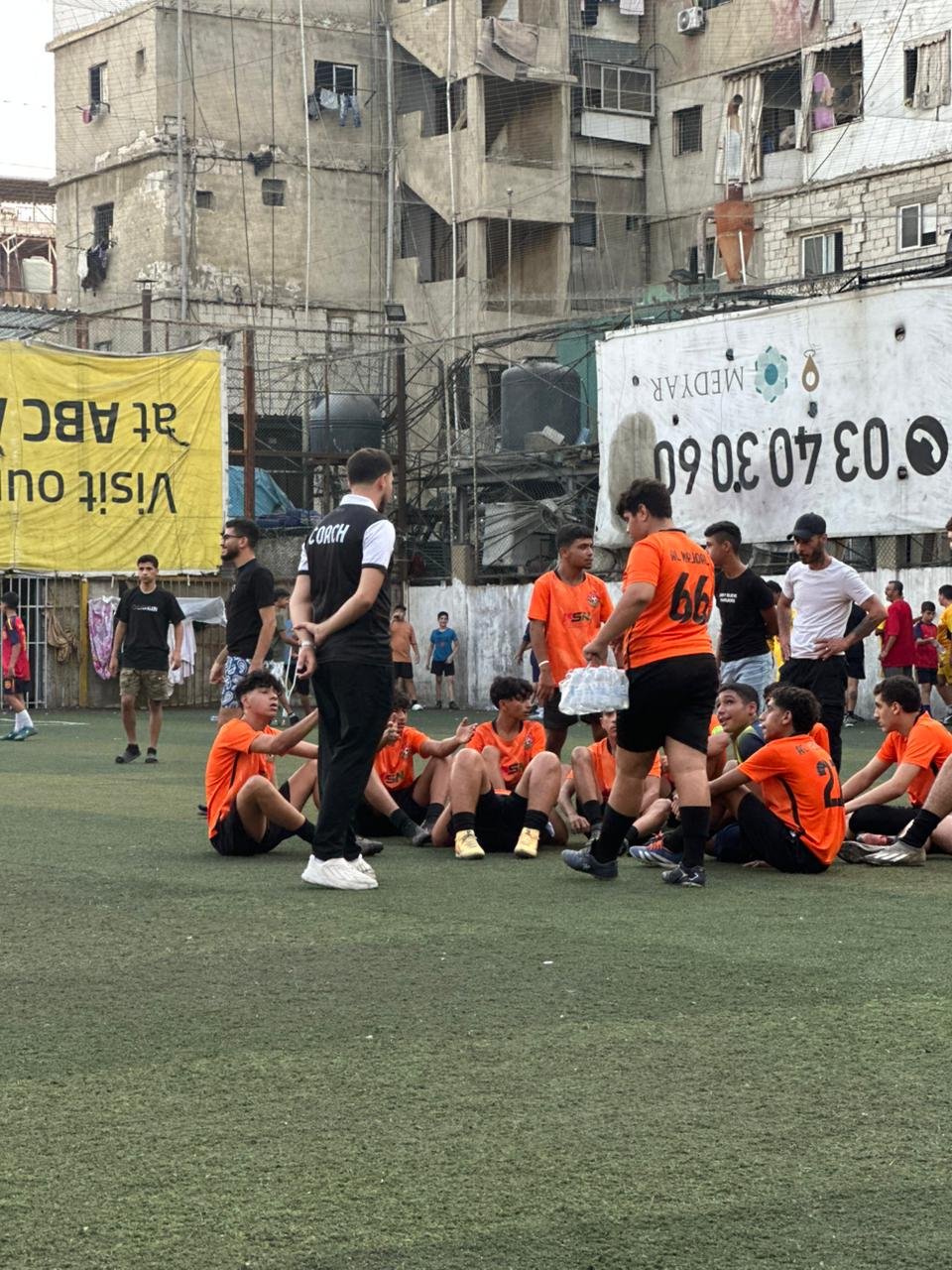
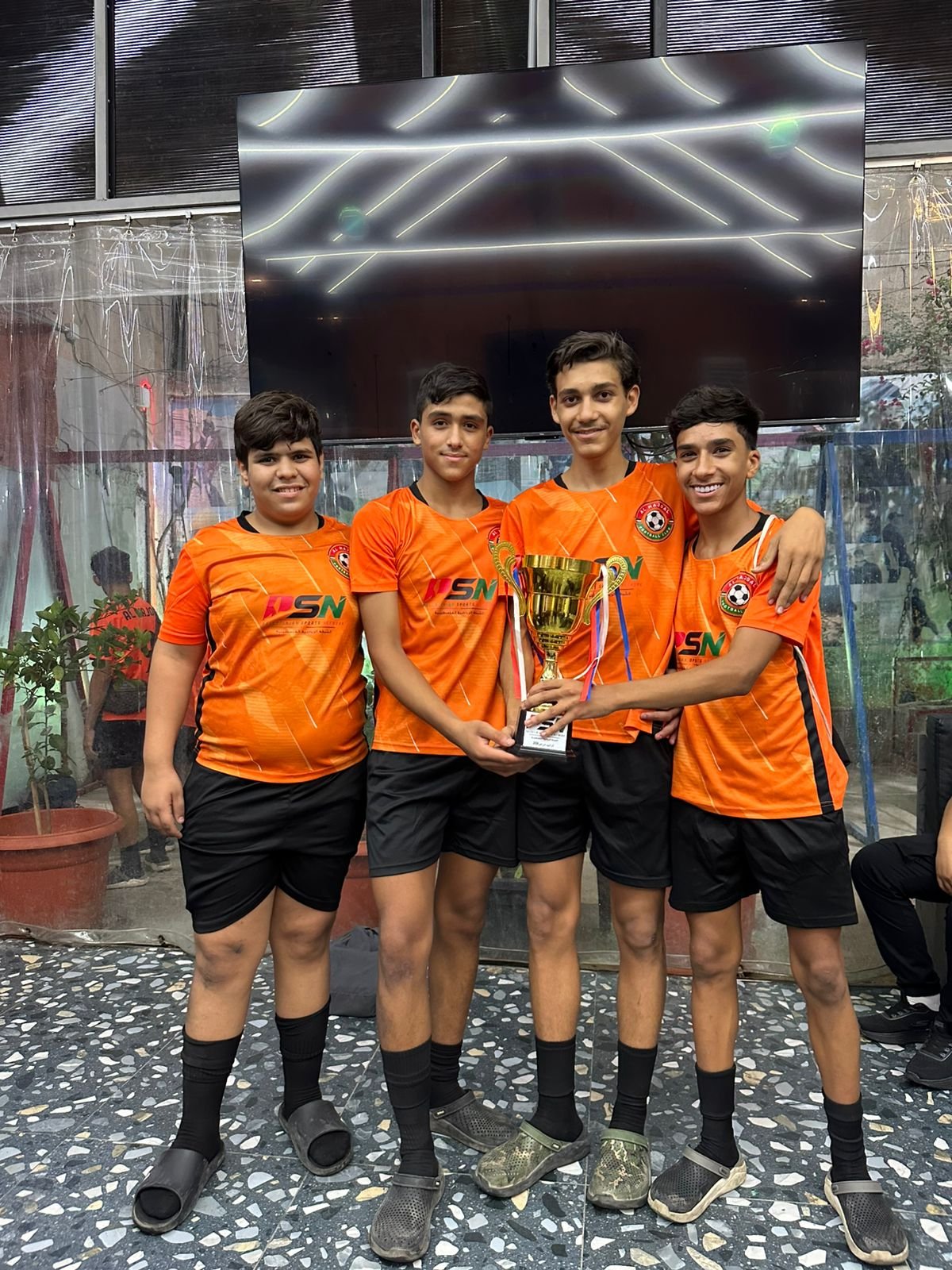
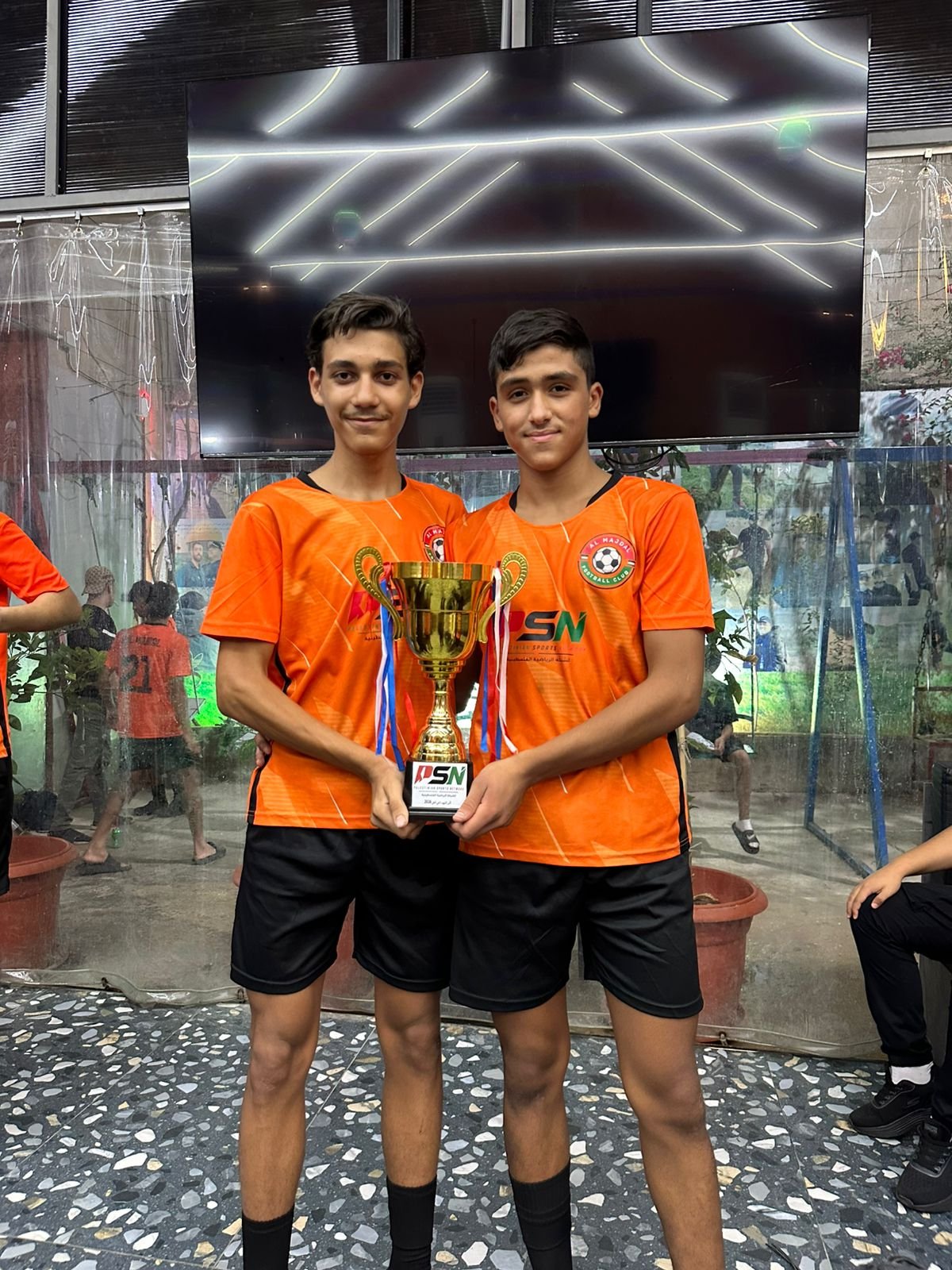
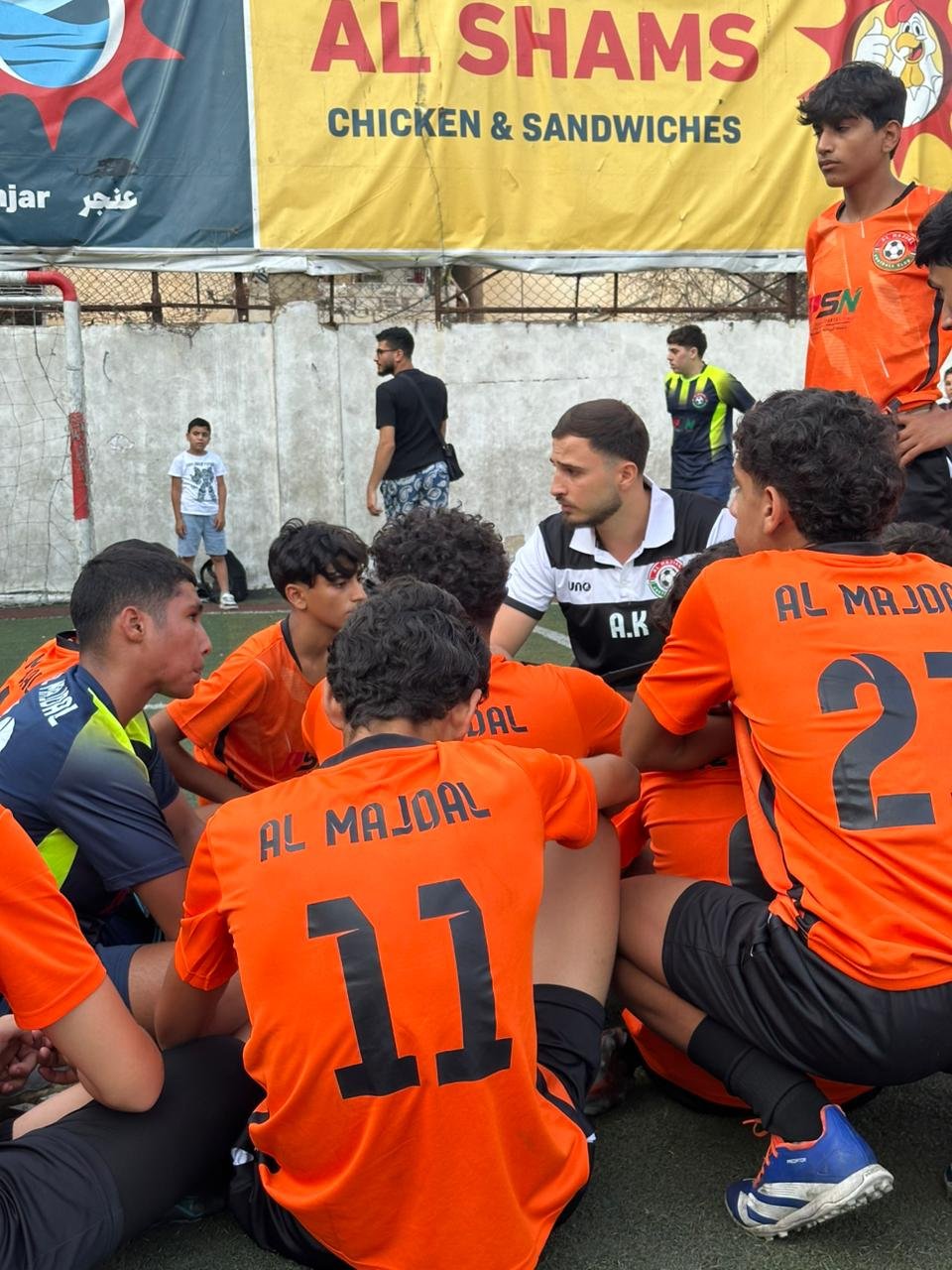
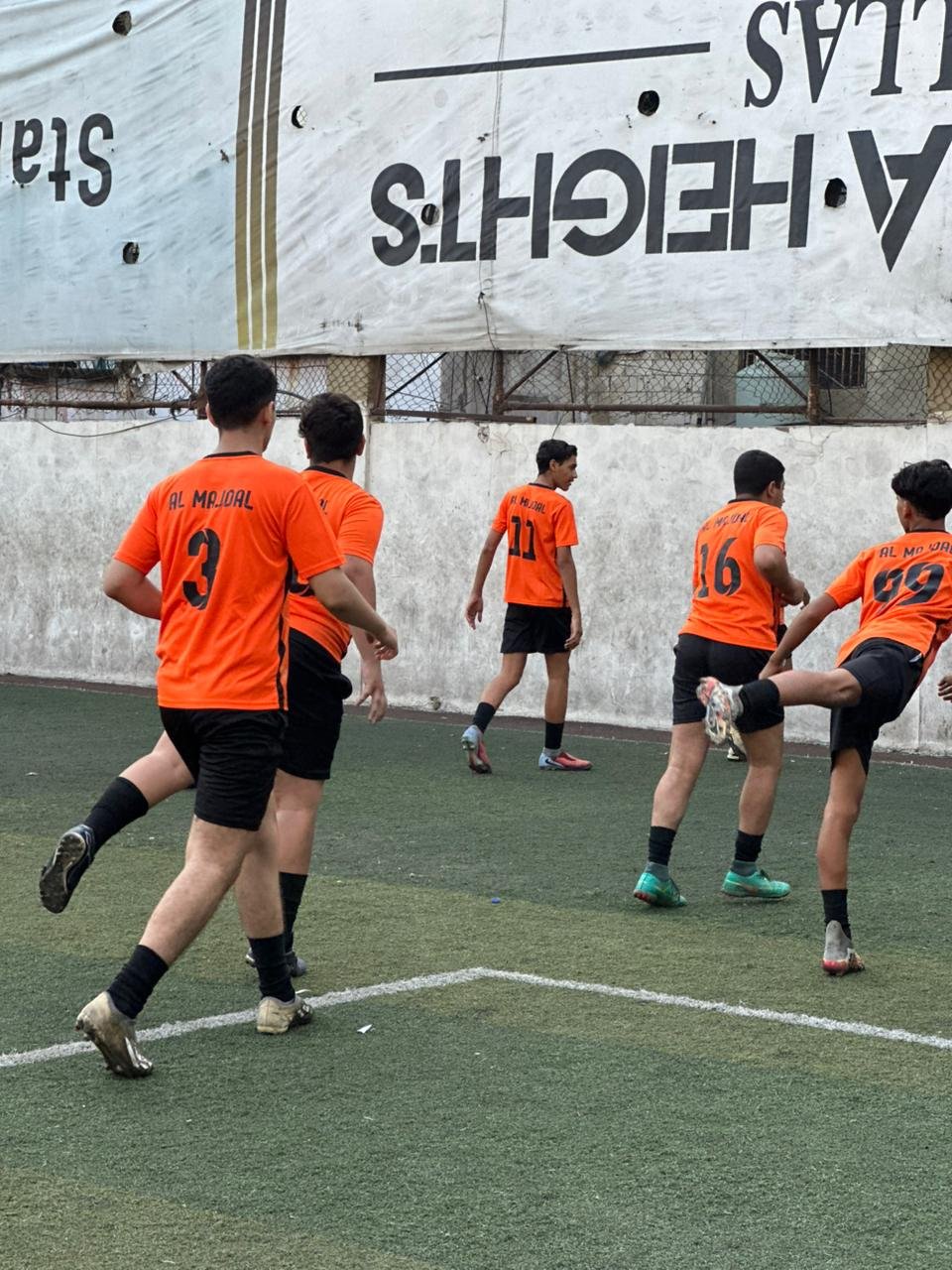
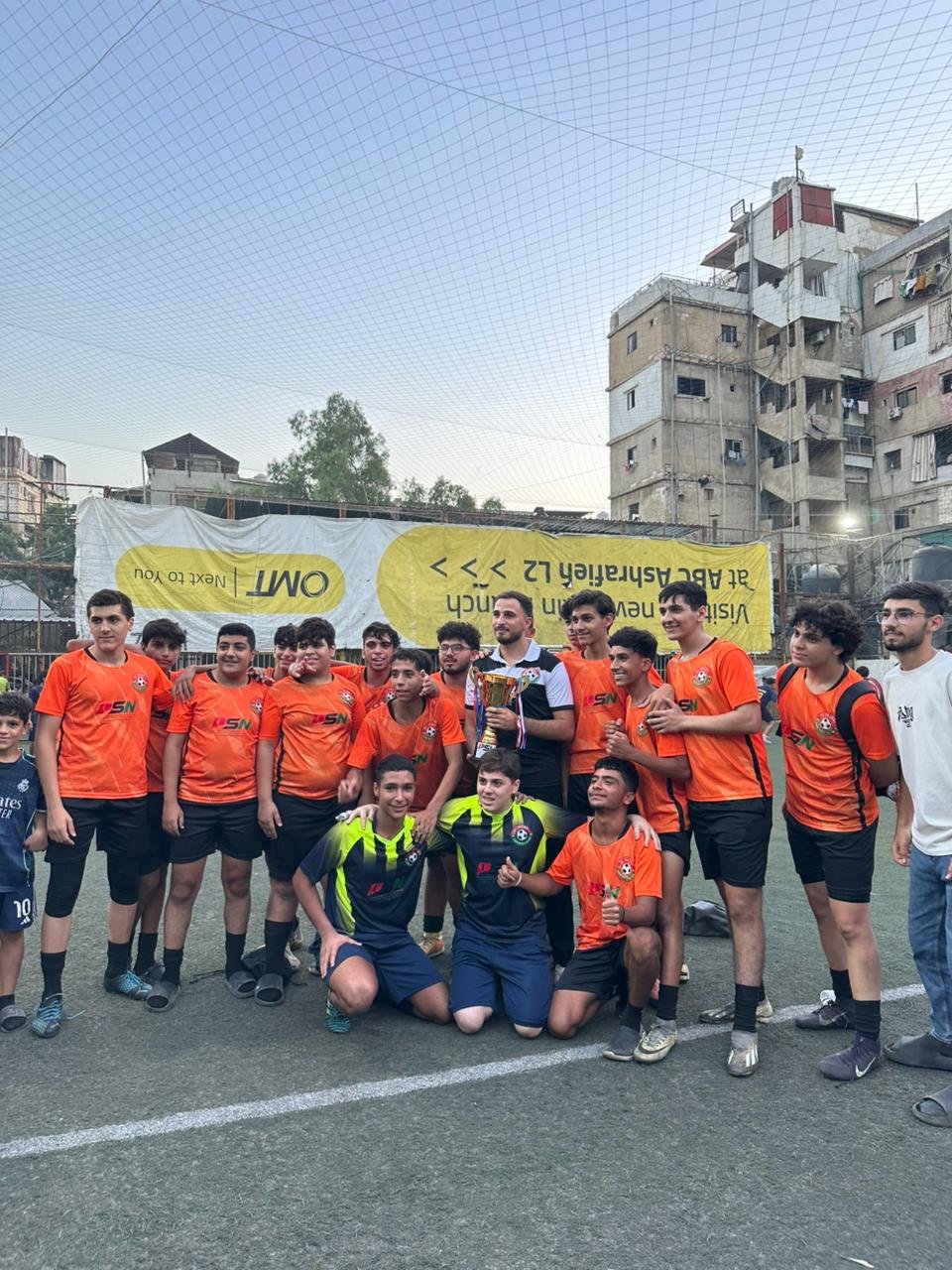
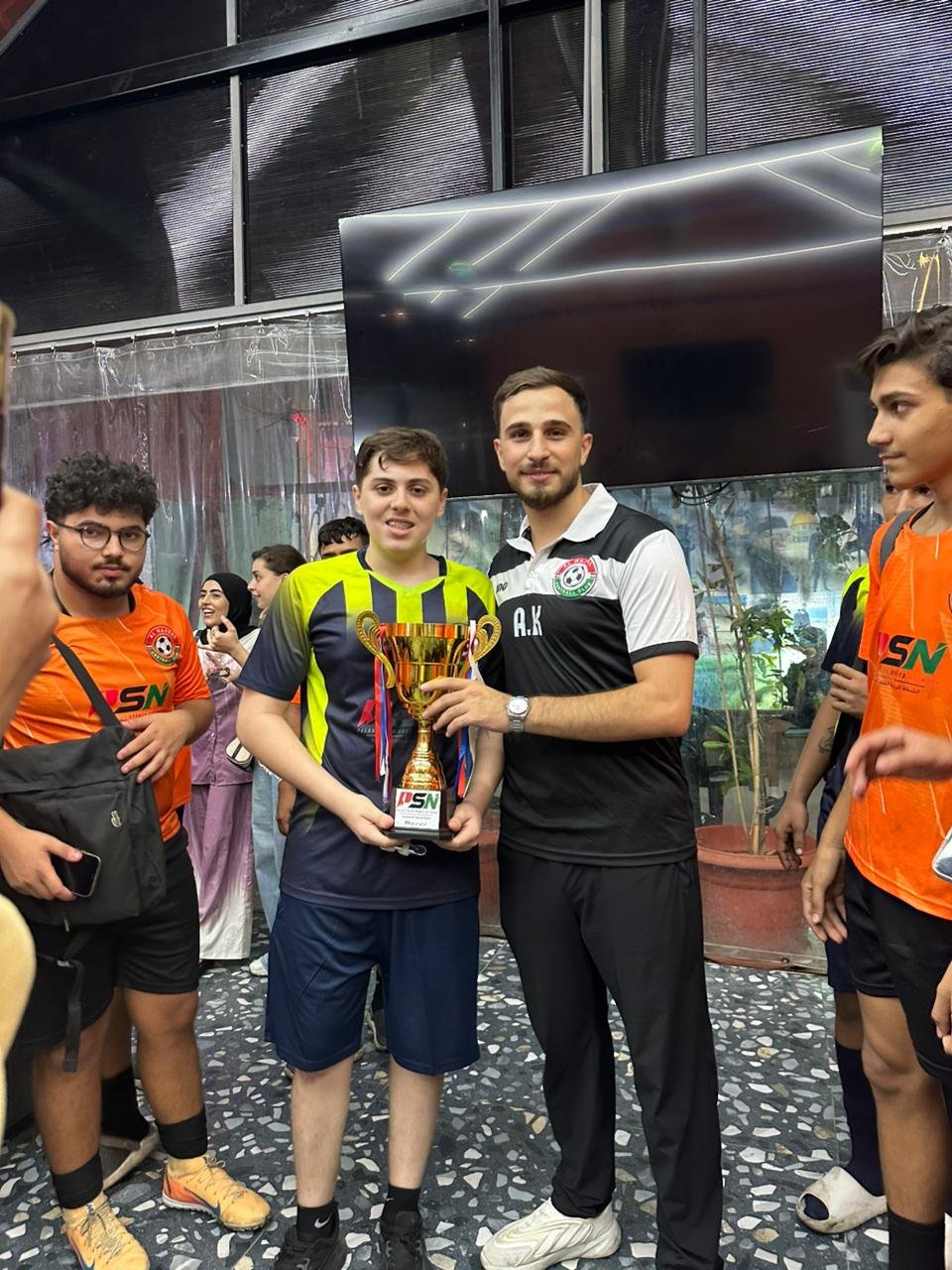
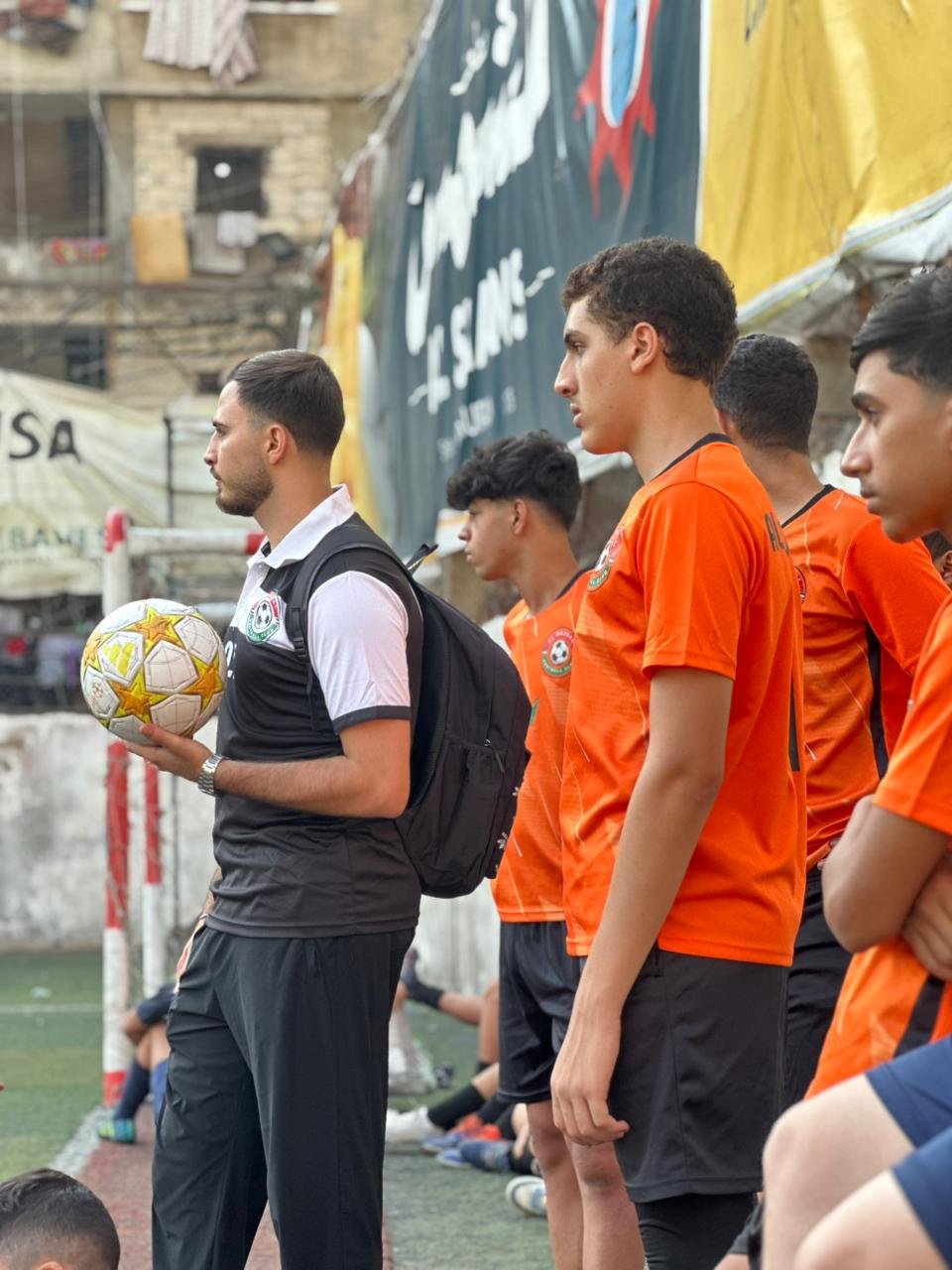
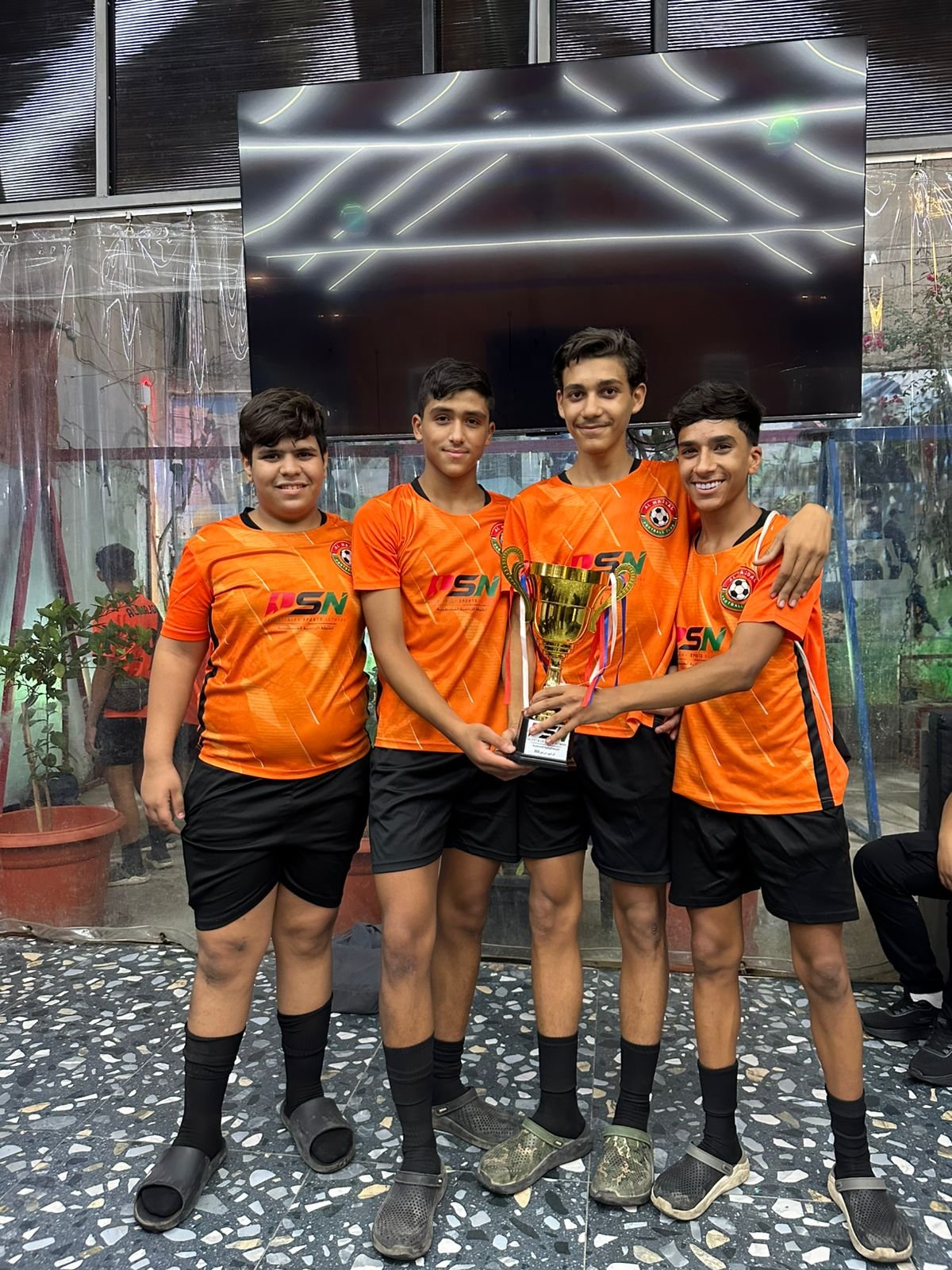
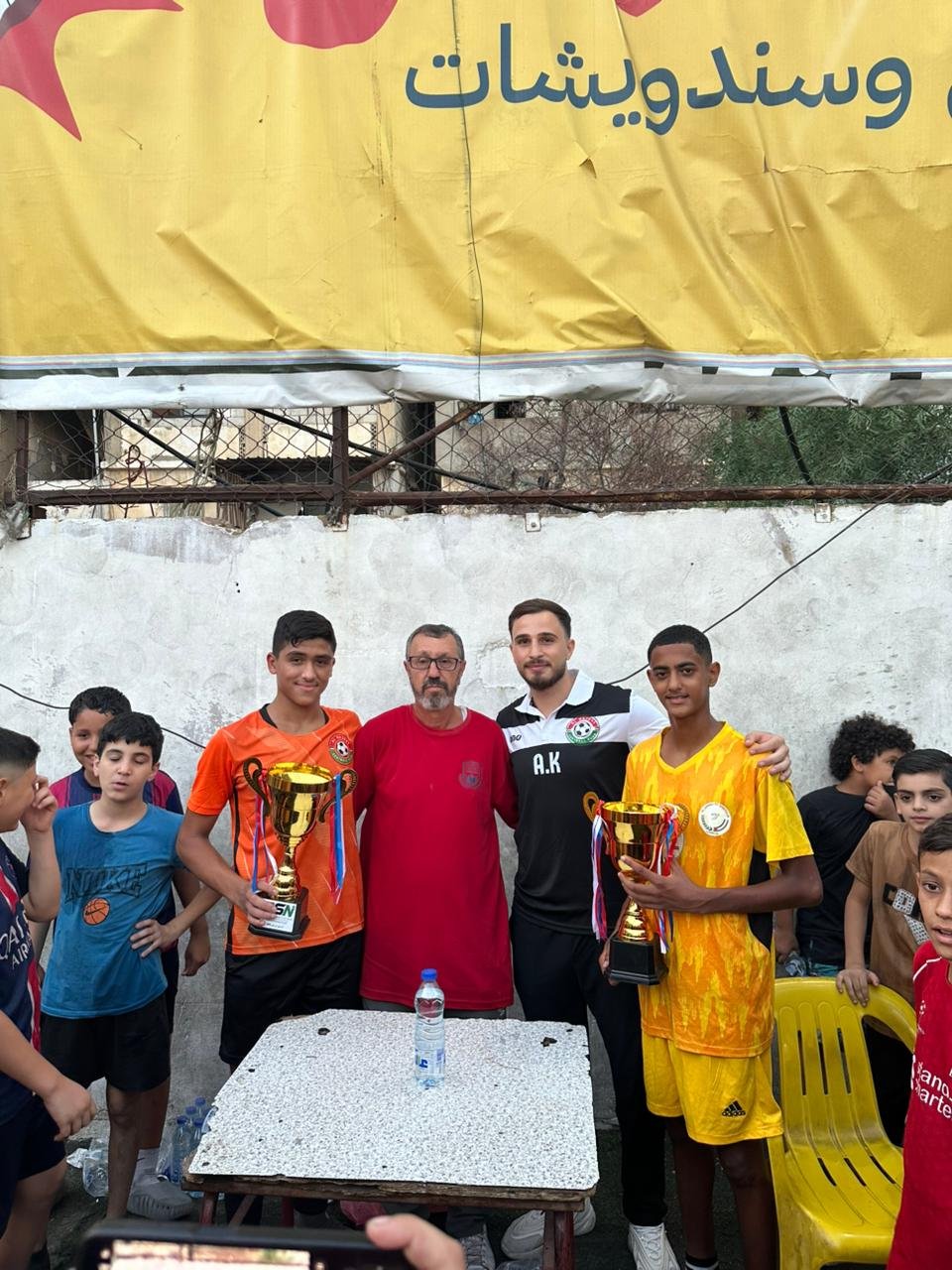
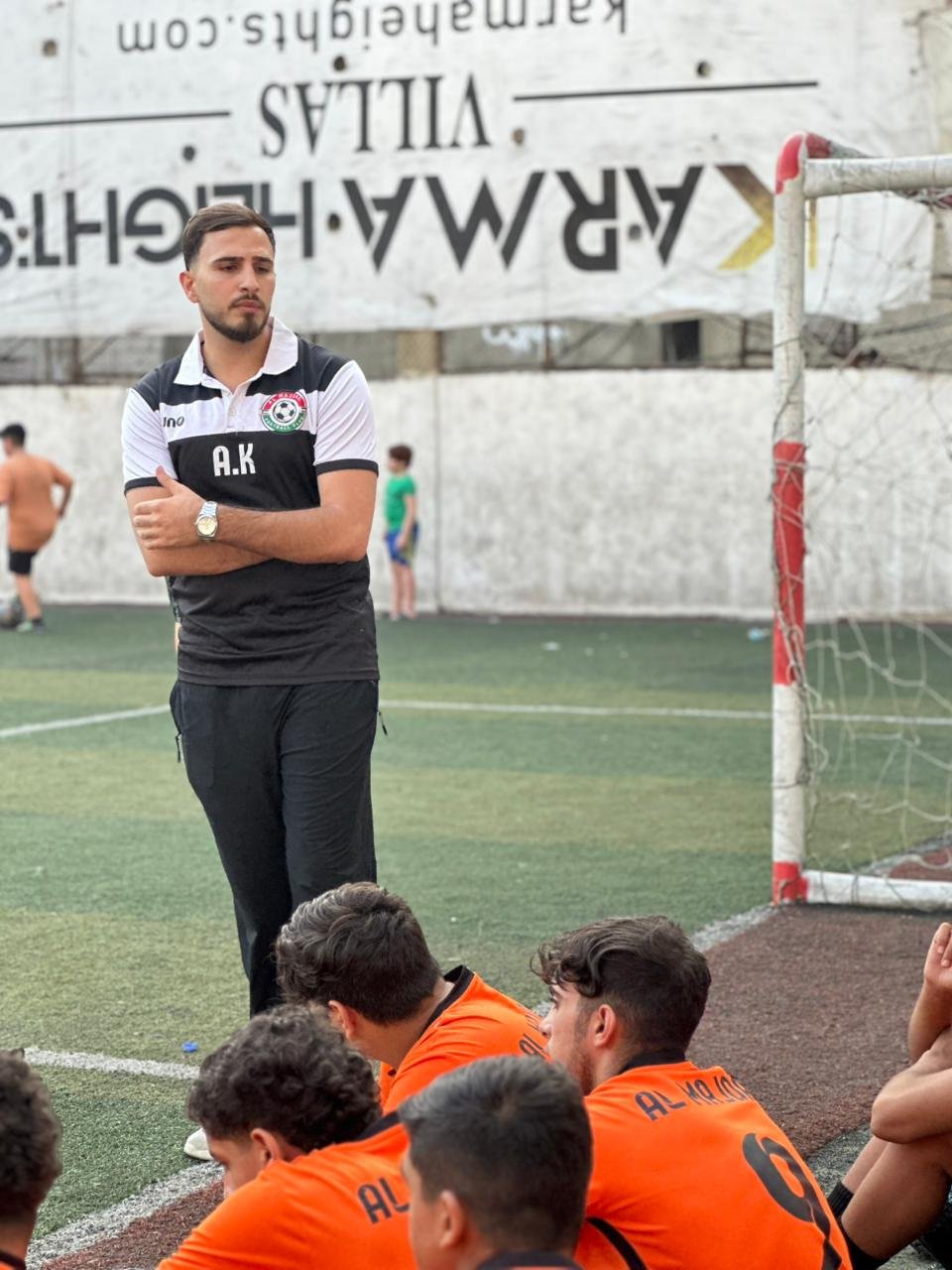
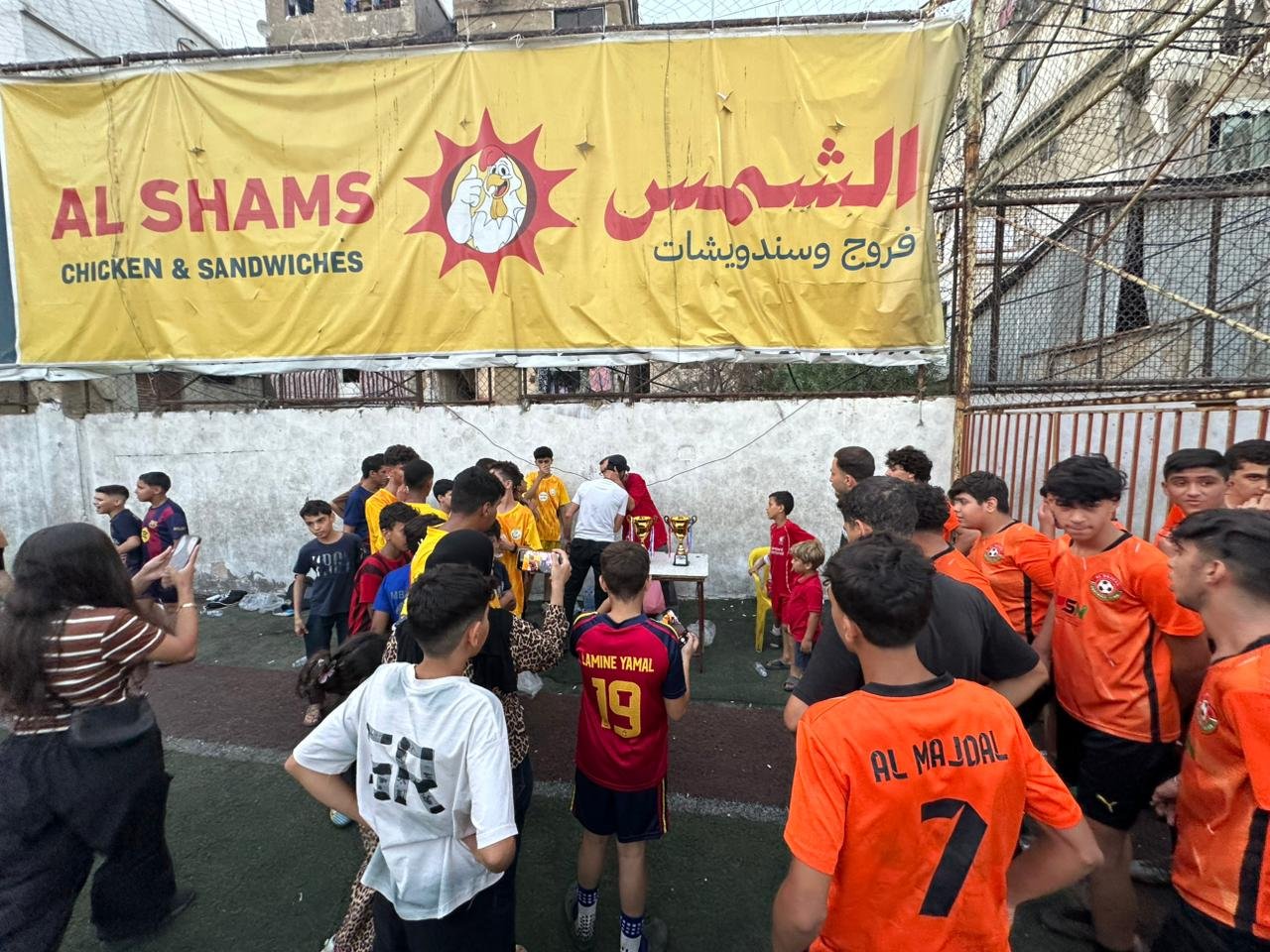
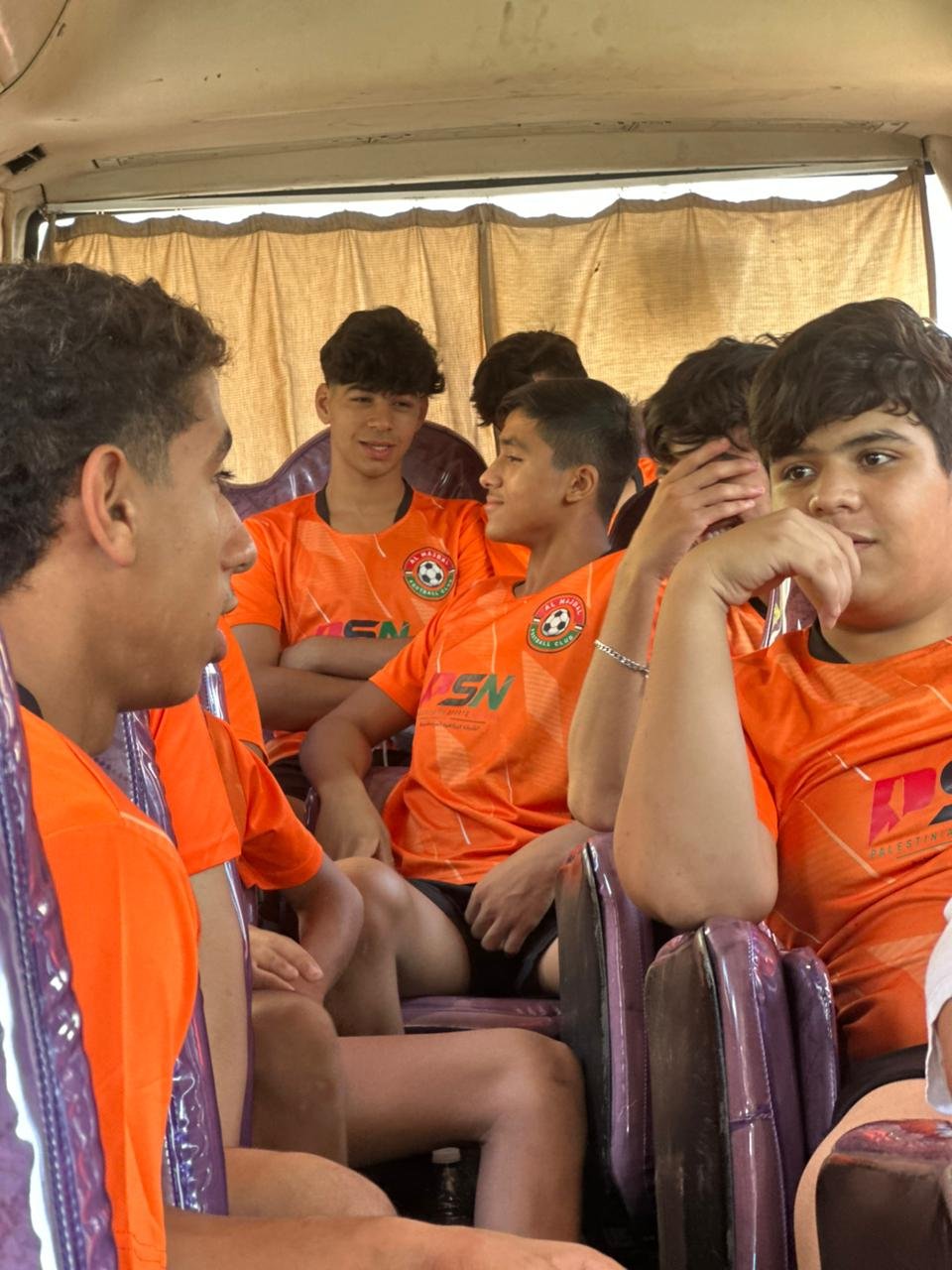
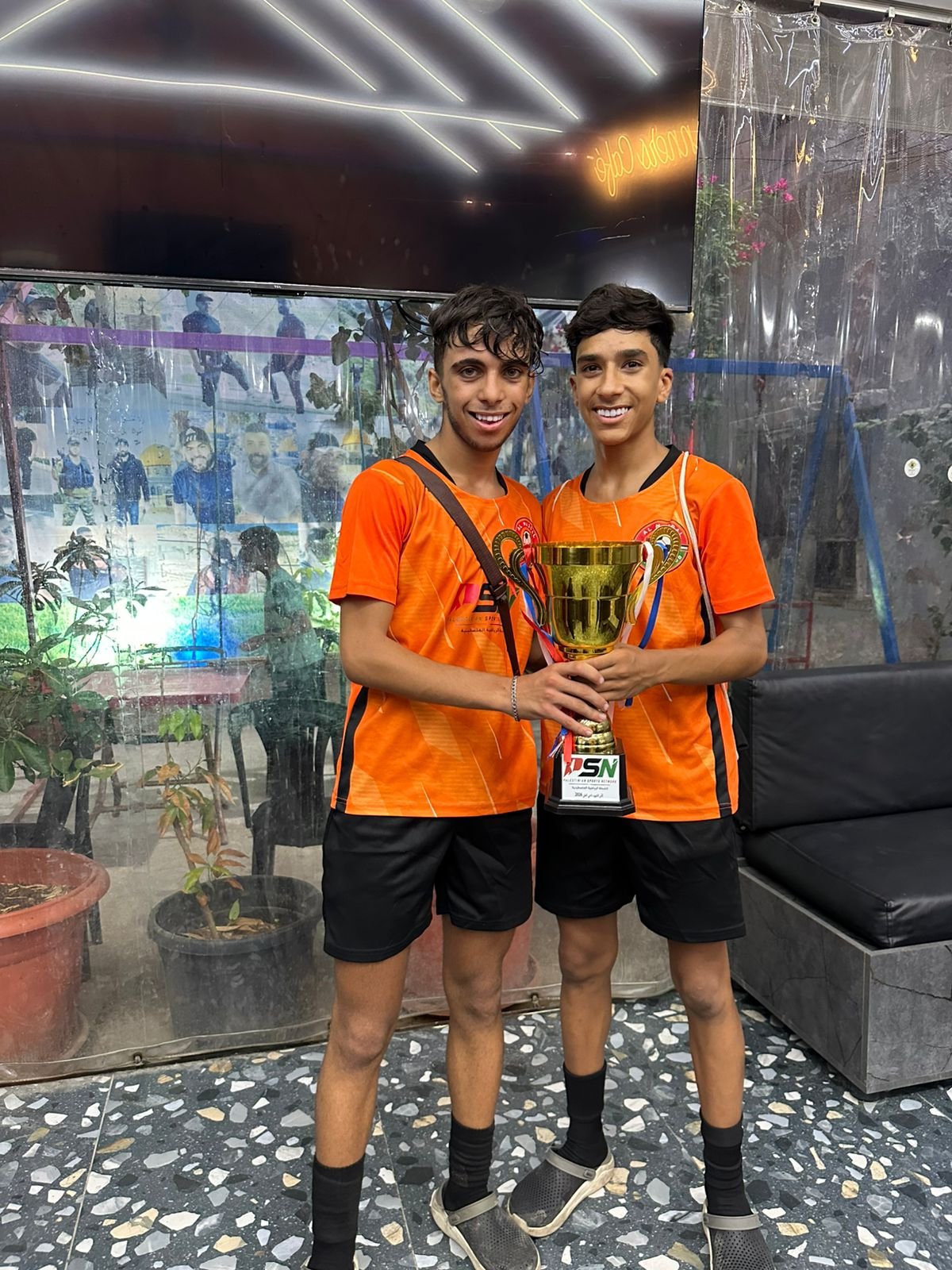
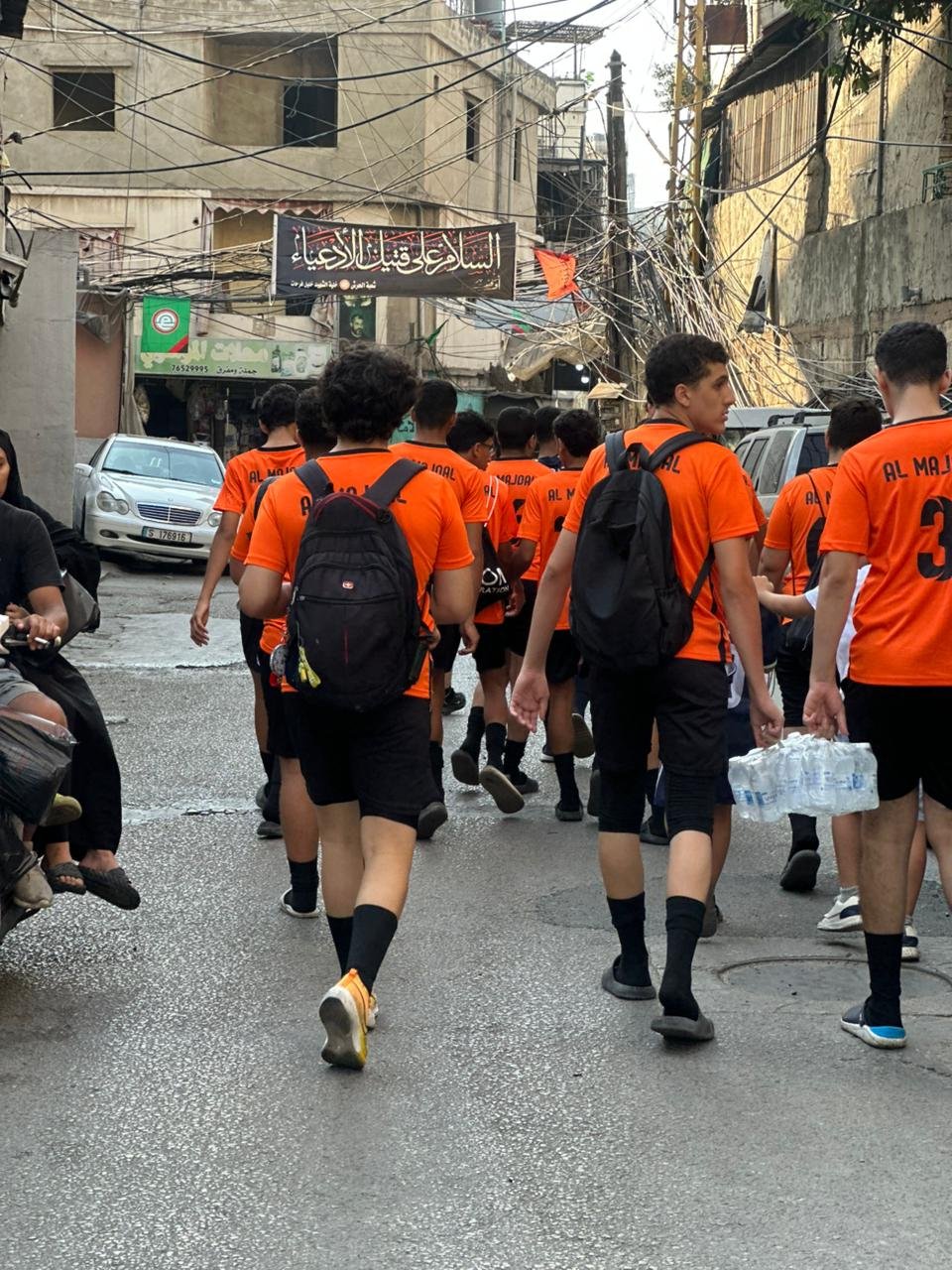
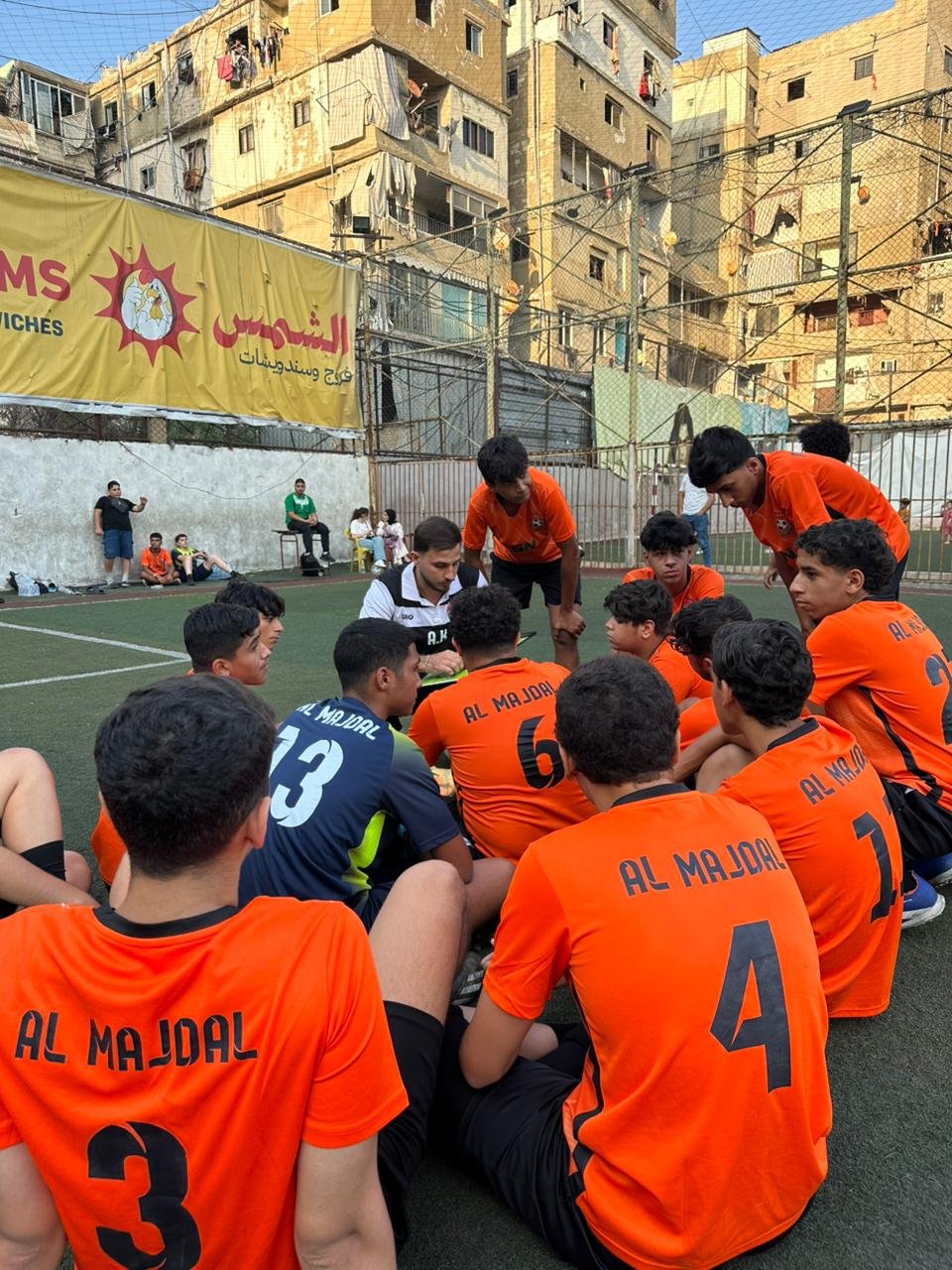
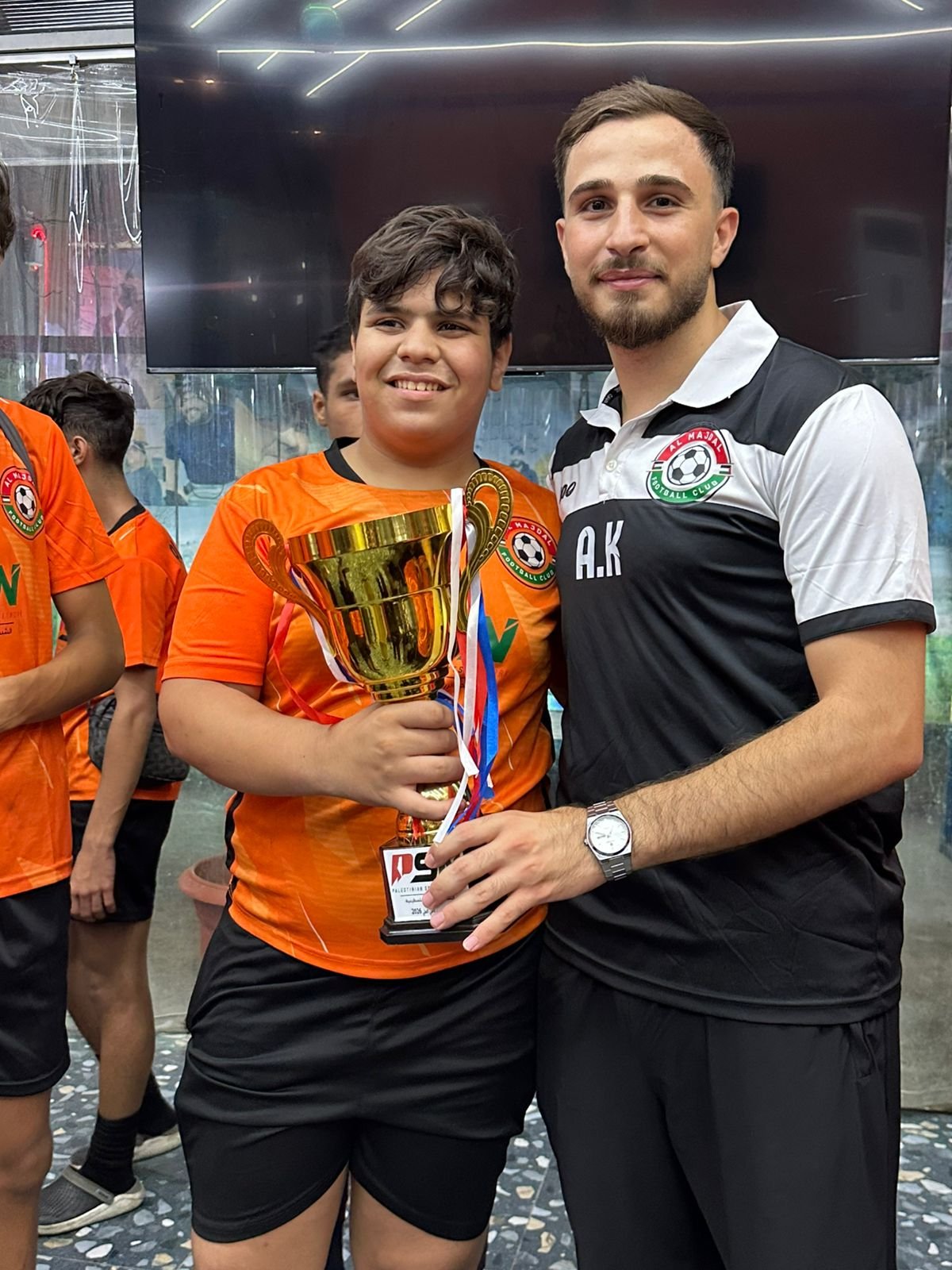
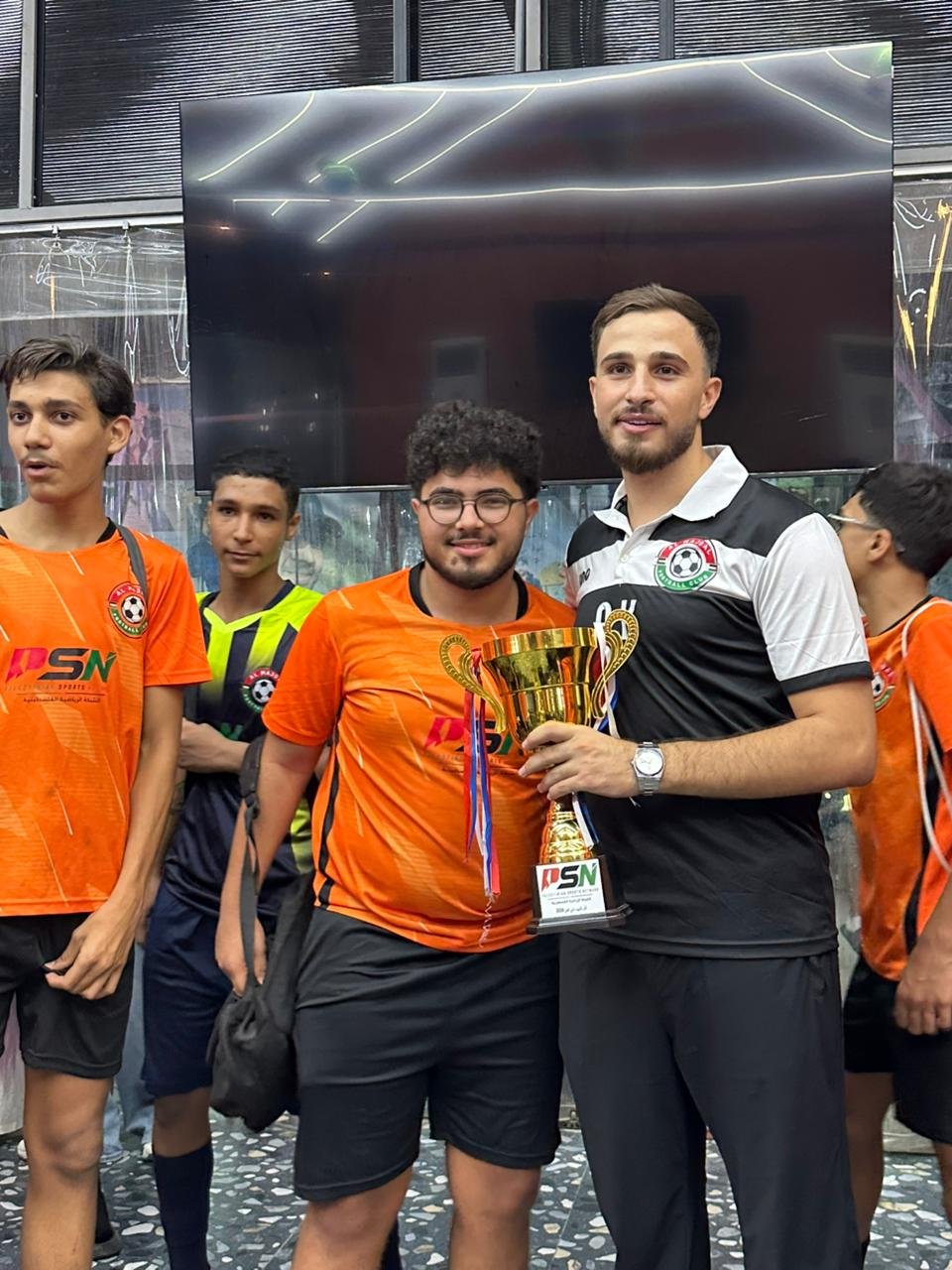
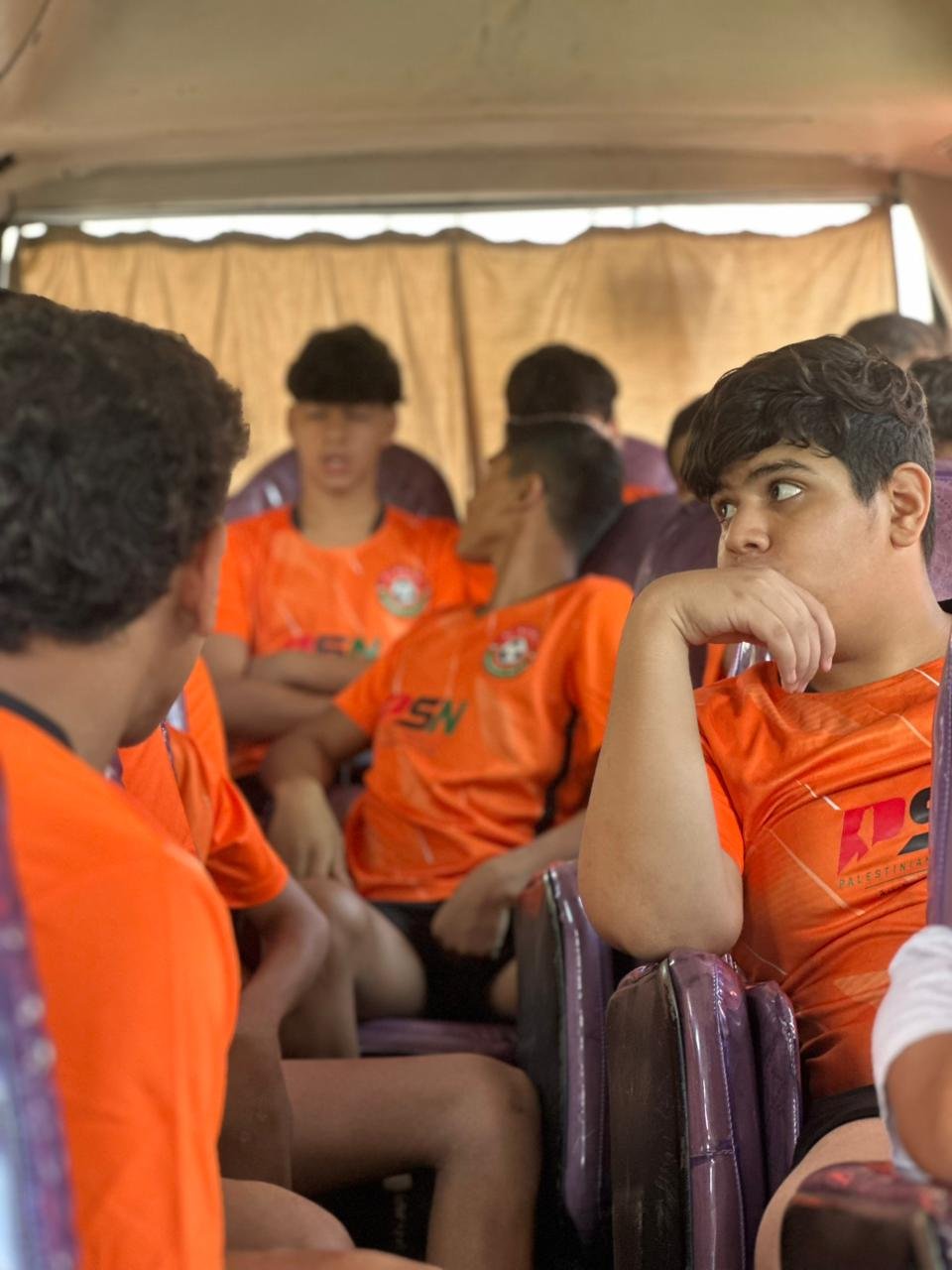
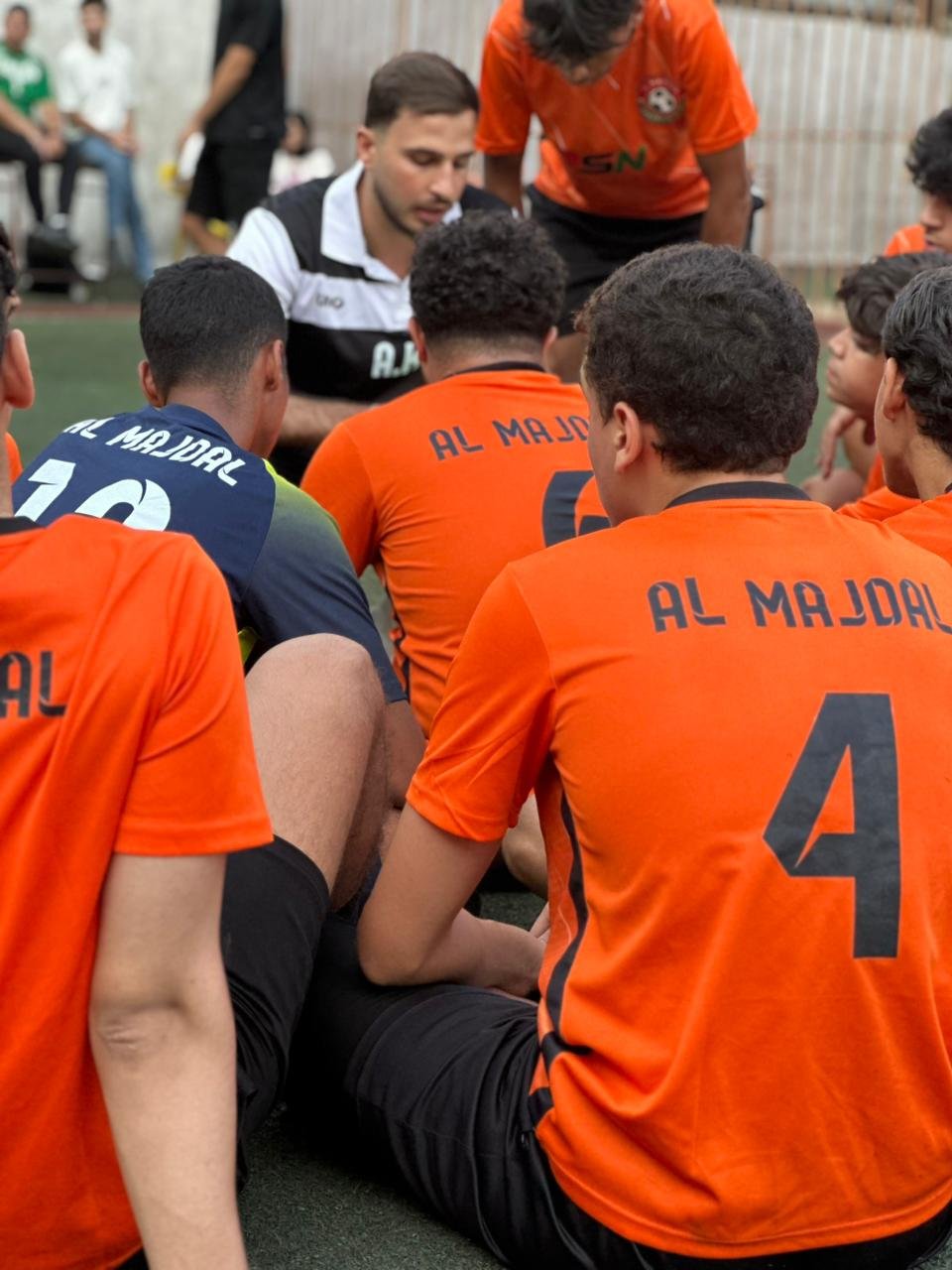
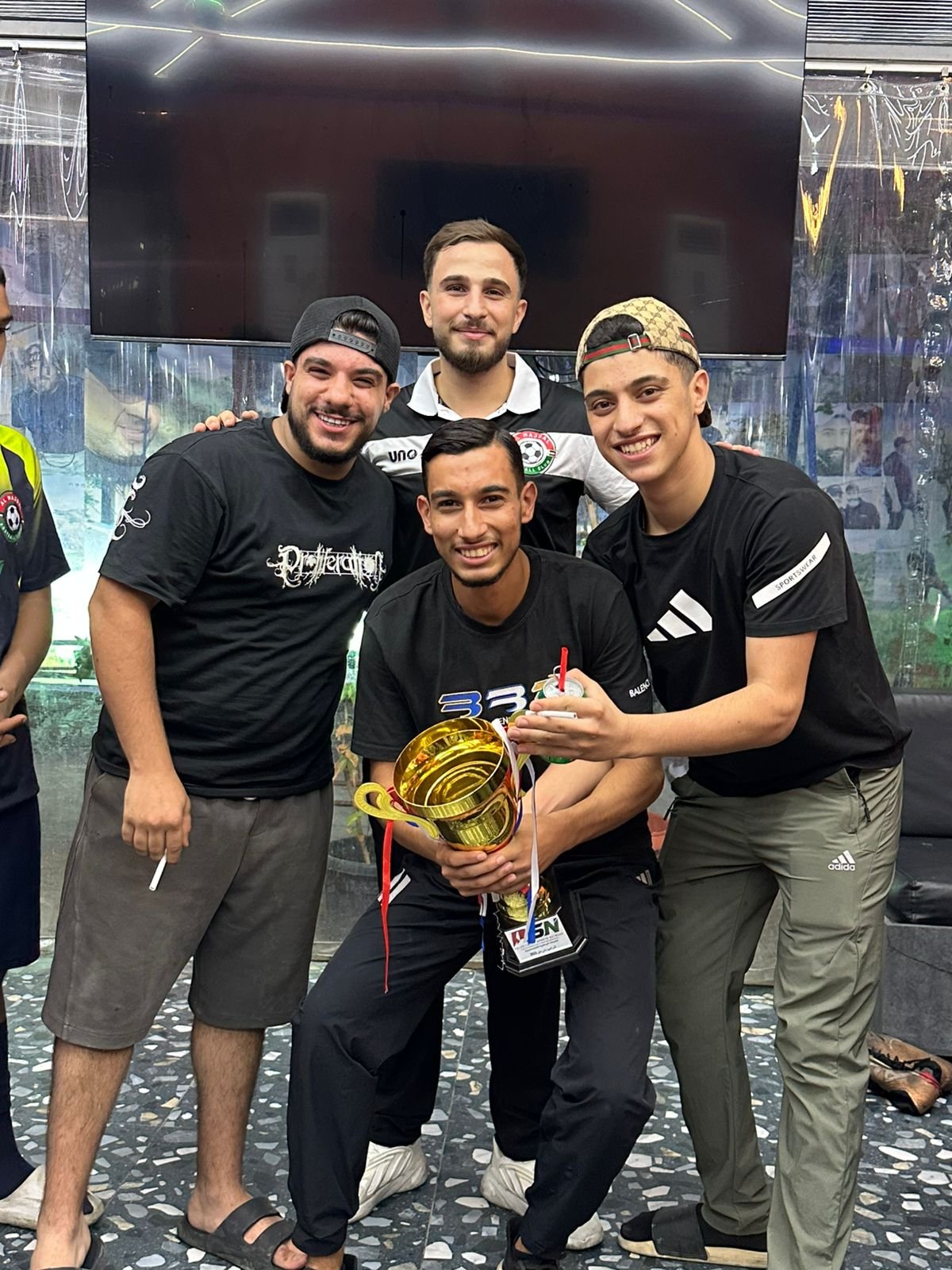
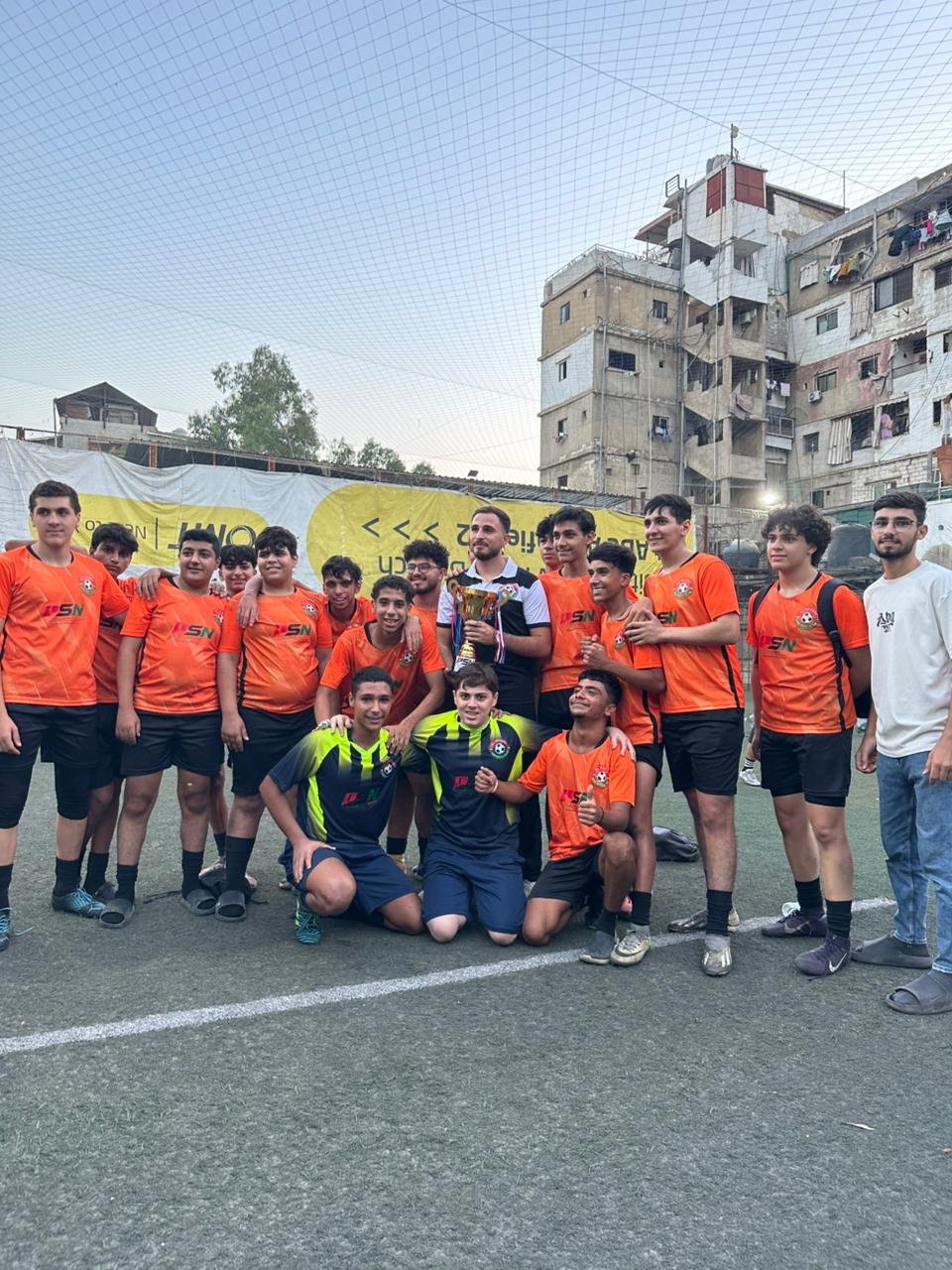
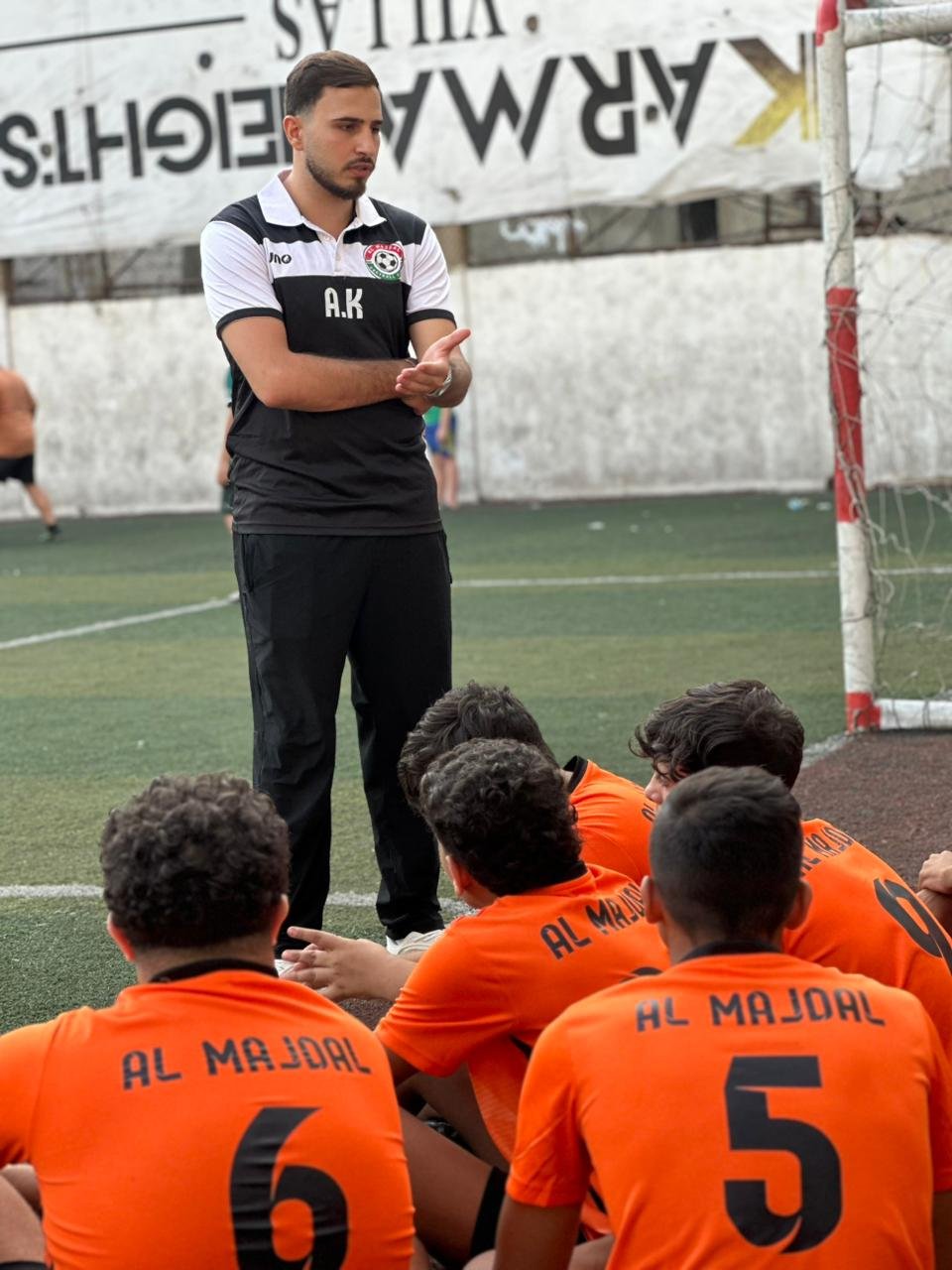
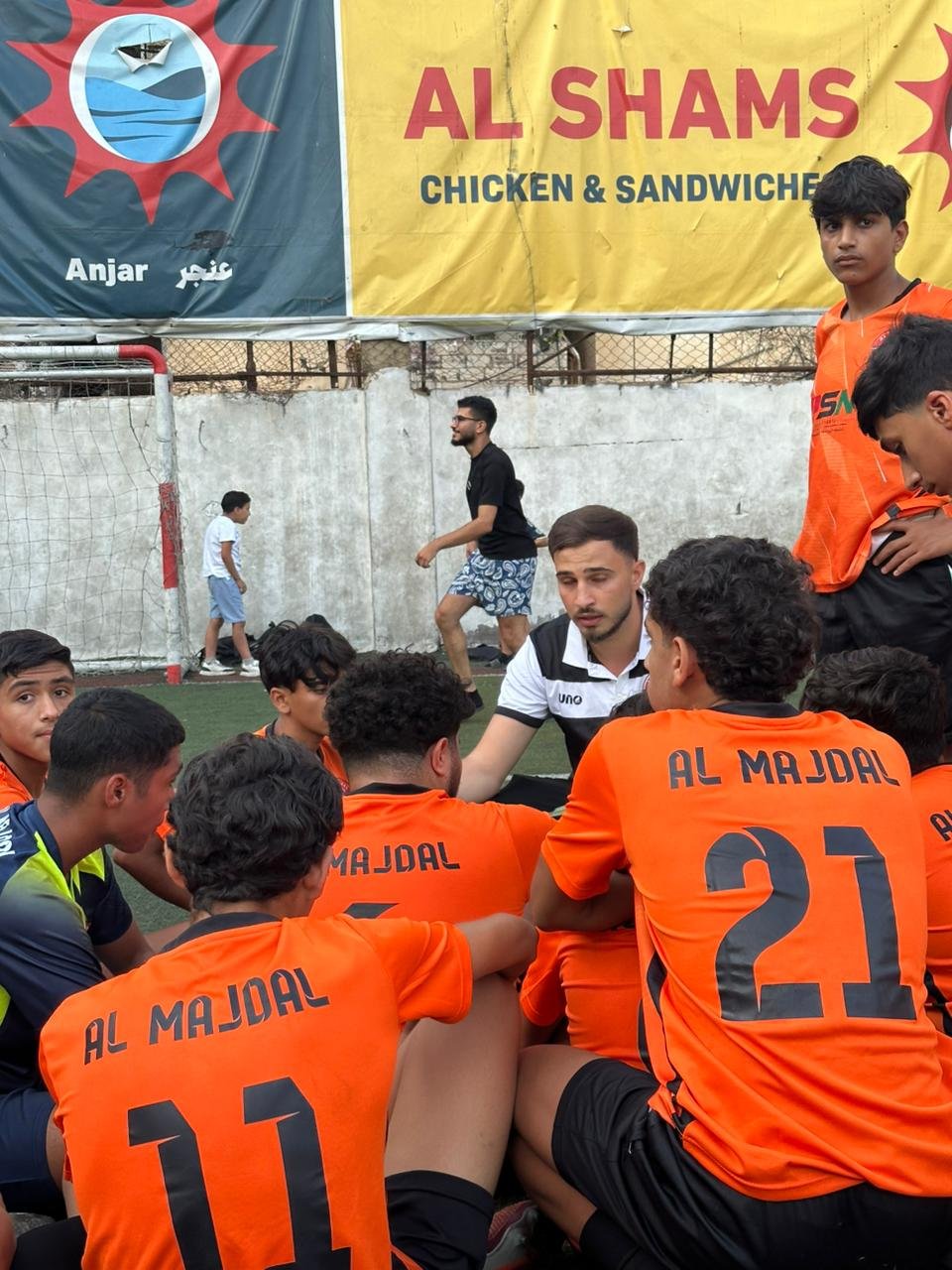
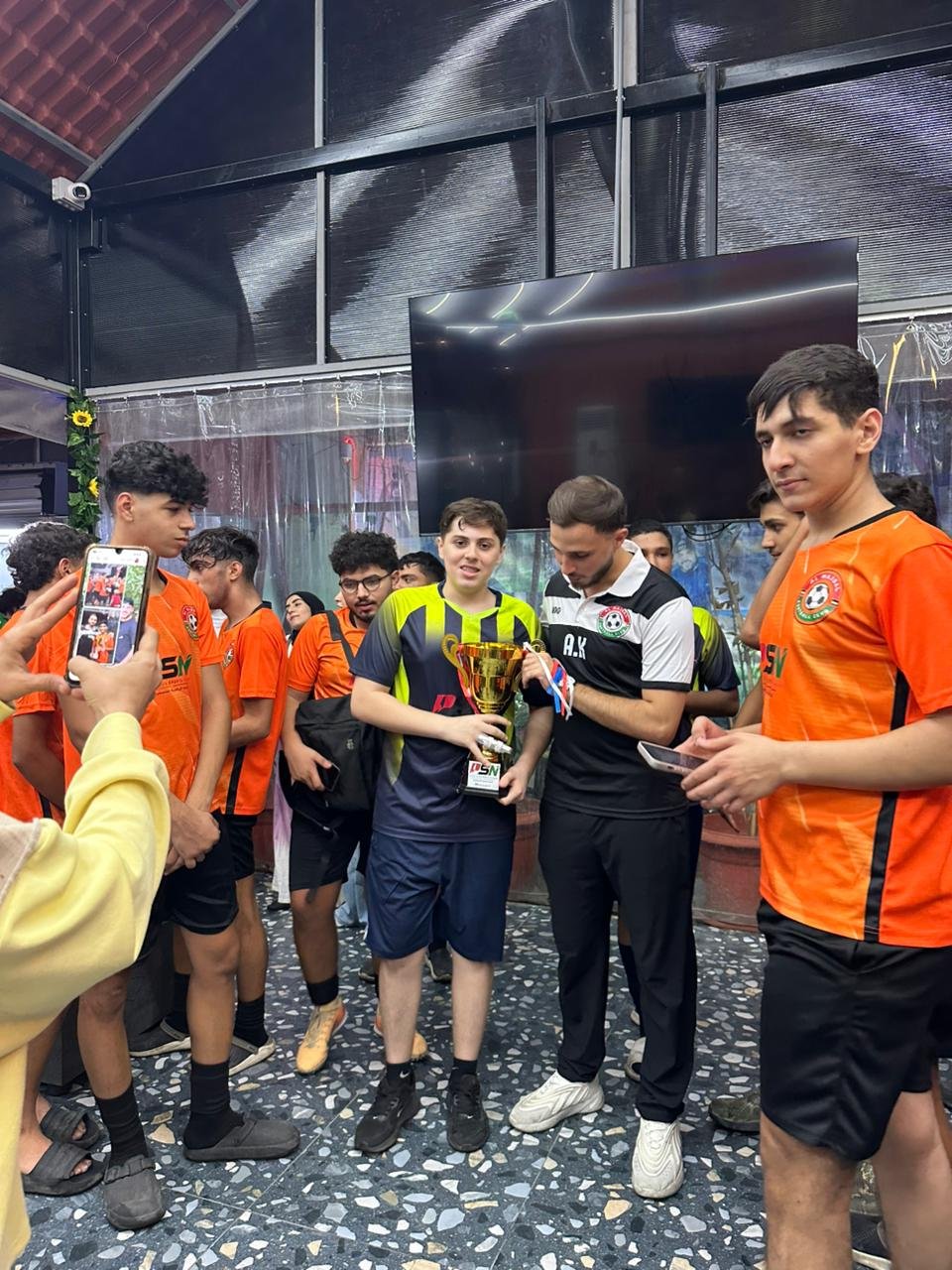
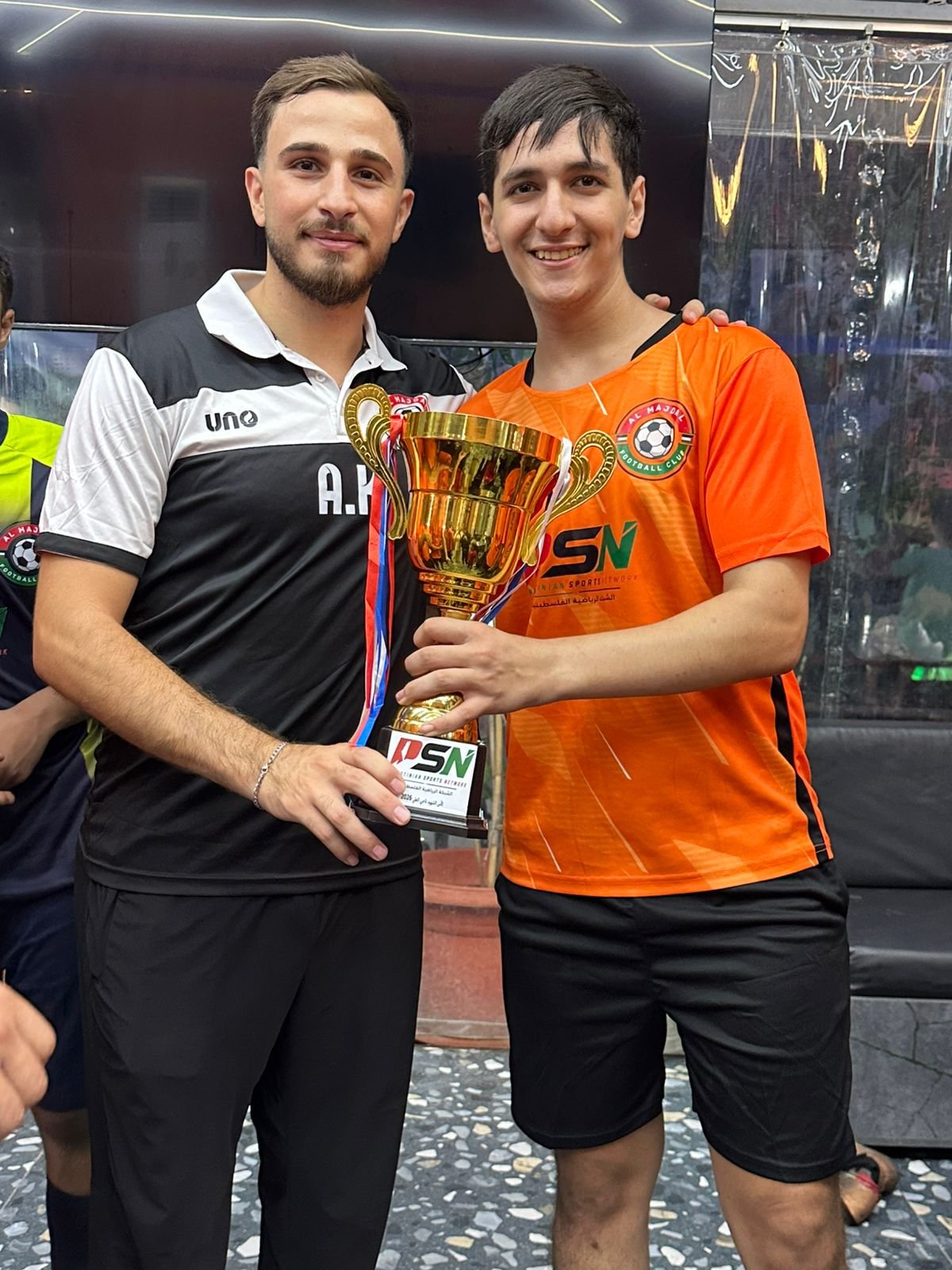
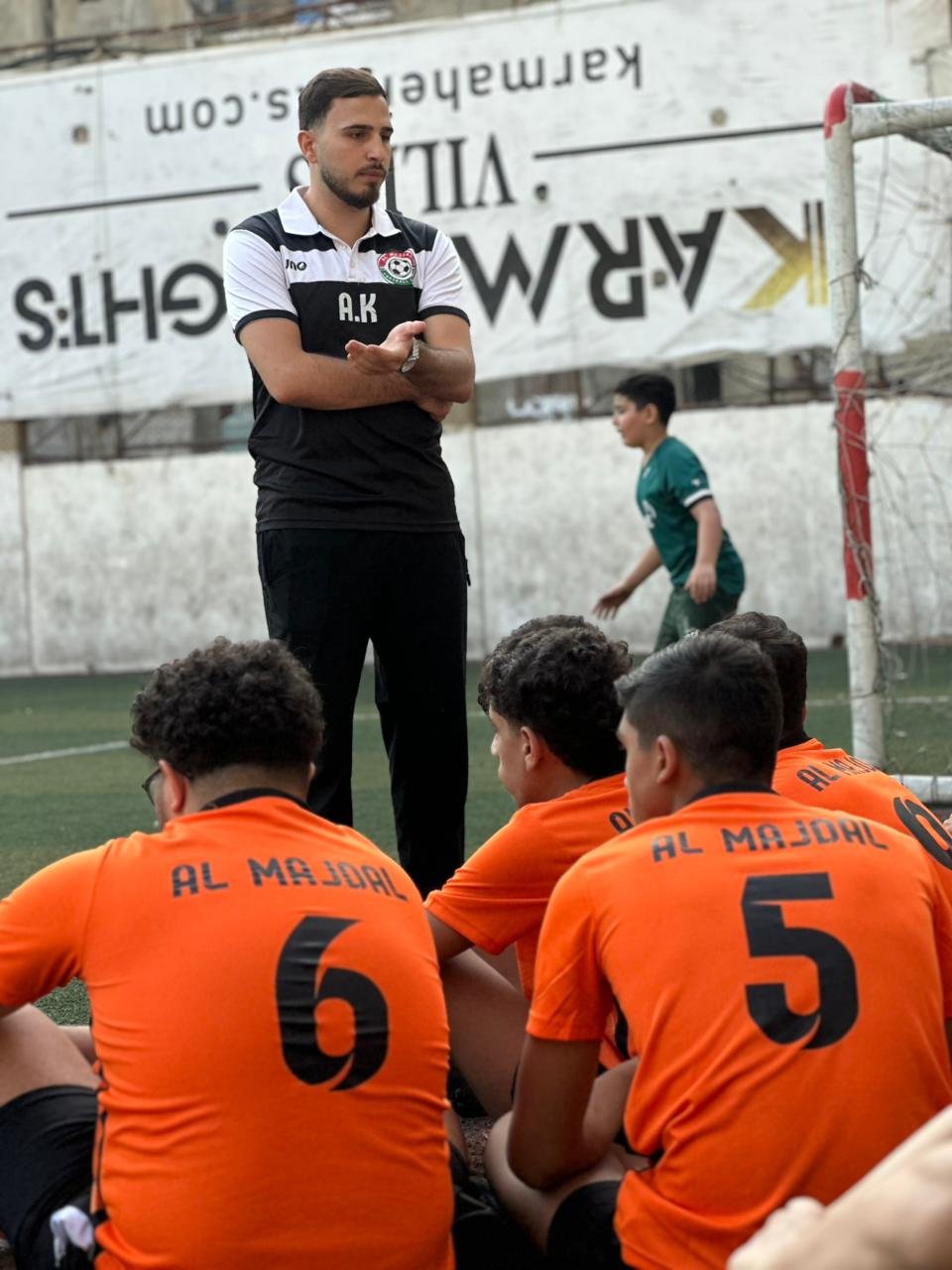
On Saturday, 29 August, the Naji al-Ali Cup youth boys’ football match was played between the Al-Majdal club, based in Bourj al-Barajneh refugee camp, and Al-Karmel club, based in Shatila refugee camp. Al-Majdal won the PSN-organized match in Shatila, 2-0, and was awarded the Naji al-Ali Cup at the end of the match, in the name of the Palestinian Sports Network and in remembrance and commitment to the message of martyred Palestinian artist and revolutionary Naji al-Ali.
Naji al-Ali, born in Al-Shajara in the north of Palestine, in the Galilee, in 1937, was forced from his home and land in the Nakba in 1948, when Zionist forces destroyed his family’s village and he and his family were forcibly exiled to Lebanon, where they lived in Ain el-Helweh refugee camp. He was martyred on 29 August 1987 after being critically injured in an assassination attempt on 22 July of the same year.
“I was a 10-year-old child when we arrived at the Ain al-Hilweh refugee camp. We were hungry, shaken, and barefoot. Life in the camp was unbearable, filled with daily humiliations, governed by poverty and despair,” Naji later wrote.
Known for his commitment to Palestinian revolution and liberation, and his sharp critique to any who would compromise or undermine the rights of the people, Naji al-Ali is best known for creating his character, Handala, who continues to represent the children and youth of the refugee camps who keep their eyes turned toward Palestine.
Introducing Handala, he wrote: “I am Handala from the Ain al-Hilweh camp. I give my word of honor that I will remain faithful to the cause.”
“The barefoot young Handala was a symbol of my childhood. He was the same age I was when I left Palestine, and in a sense, I am still that age today. Even though all of this happened 35 years ago, the details of that period of my life are still fully present in my mind. I think I can remember and feel every bush, every stone, every house and every tree I encountered as a child in Palestine…. He was the needle of my compass, pointing firmly toward Palestine. Not only Palestine in the geographical sense, but also Palestine as a symbol of a just cause, whether in Egypt, Vietnam, or South Africa.”
Handala embodies the spirit of resistance that lives within the Palestinian people. He has tousled hair, patched-up clothes, and bare feet, representing the poverty experienced by Palestinians in the refugee camps.
It is in this context that the Palestinian youth of Shatila and Bourj al-Barajneh engaged their football match, carrying the spirit and identity of Handala, and in honor of the martyrdom of one who always embraced the children of the camps at the heart of the cause:
“I come from Ain Al-Hilweh, a camp like any other camp. The people in the camps were people of the land in Palestine. They were not merchants or landowners. They were farmers. When they lost their land, they lost their lives. The bourgeoisie never had to live in the camps, where the inhabitants were subjected to hunger, degradation, and oppression. Entire families died in our camps. It is these Palestinians who remain in my mind, even when my work takes me far from the camp.”