The Palestinian Sports Network: An Experience of Struggle, Resistance, and International Solidarity
By Roberto Guzmán / Resumen Latinoamericano / July 12, 2026
Sport plays a central role in Palestinian society, both within historic Palestine and throughout the diaspora. It is far more than a leisure activity: it represents an important symbol of national and cultural identity and, therefore, of resistance.
In the past and the present, national and local teams, athletes, players, and coaches have taken public positions, including during press conferences, in stadiums, and at competitions, thereby challenging the persistent idea that sport should be “depoliticized.” As Palestinian journalist Ahmad al-Arouri writes in an article originally published in Al-Araby:
“Sport occupies a place in the history of Palestine not only as a physical or recreational activity of interest to certain sectors of society, but also as a space of struggle for liberation from occupation. It goes beyond armed confrontation, contributing to young people’s participation in social, political, and national activities and helping to consolidate Palestinian identity. Throughout this history, Palestinian sport has remained a target of Israeli aggression. This persecution reached its peak during the genocidal war against Gaza, in which dozens of stars and athletes from various sporting disciplines were martyred.”
Today, partly as a result of internationalist movements in solidarity with the Palestinian people, Palestinian sport has gained greater visibility. However, the development of sport in Palestine is nothing new. The modern Palestinian sports movement began with missionary institutions in the early twentieth century:
“The first football club was established in 1908 at the Bishop’s School in Jerusalem… This interest also extended to schools and educational institutions, such as the Dusturiyya School in Jerusalem, founded by the intellectual and educator Khalil al-Sakakini in 1909, which incorporated music and sporting activities into its educational program,” al-Arouri states.
At the same time, the Zionist settler-colonial project incorporated sport as an arena of competition and conflict against the Indigenous Palestinian population. al-Arouri explains:
“From an early stage, sport became another field of conflict between the Arabs and the organizations of the Zionist movement, which established sports clubs with multiple objectives. These included training Jewish youth for future military participation and using international sporting events to spread Zionist propaganda.”
In this sense, sport in Palestine, like poetry, art, and other cultural forms, became, even before the imposition of the State of “Israel,” “a language of resistance… reaffirming the presence of the Palestinian people both in their homeland and in exile.”
Throughout this history, Palestinian sport has remained a target of aggression by the Israeli colonial regime. However, the new phase of the genocidal war against the Palestinian people, which began in late 2023, has substantially affected sporting life not only in Gaza but throughout Palestine.
Nevertheless, despite the destruction and the daily attacks, Palestinian sport has retained its ability to reaffirm the national identity of a people who refuse to abandon their struggle for liberation and return. As Ahmad emphasizes:
“Despite the destruction and ongoing attacks, Palestinian sport has preserved its ability to renew itself and to convey a political and national message reaffirming Palestine’s presence in Arab and international arenas. The legacy of Palestinian sport remains a living testimony to the Palestinian people’s ability to transform sport into an act of existence and steadfastness, and into a means of protecting their memory and identity against attempts at erasure and annihilation.”
The Palestinian Diaspora and Sport as a Foundation of National Consciousness
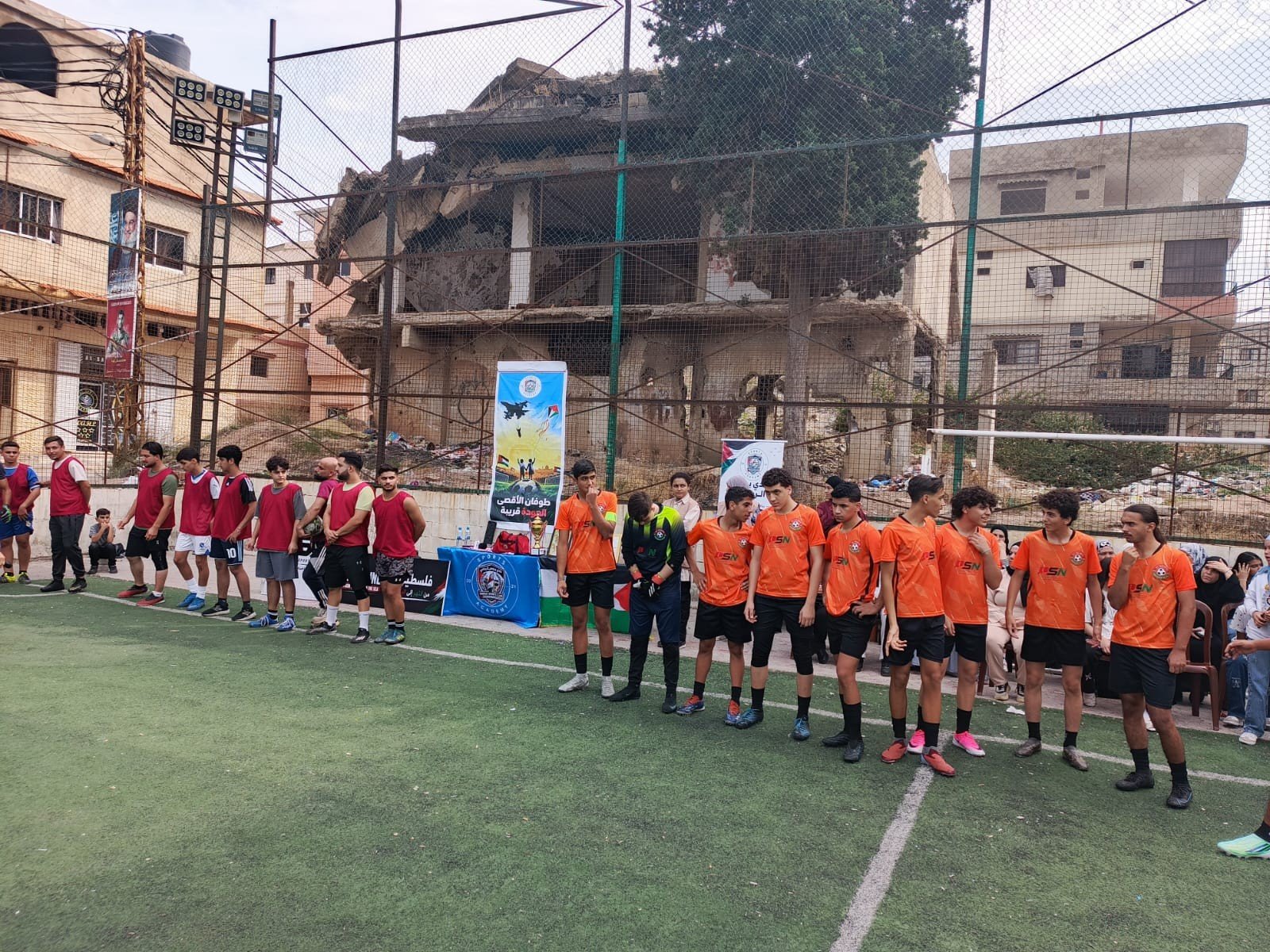
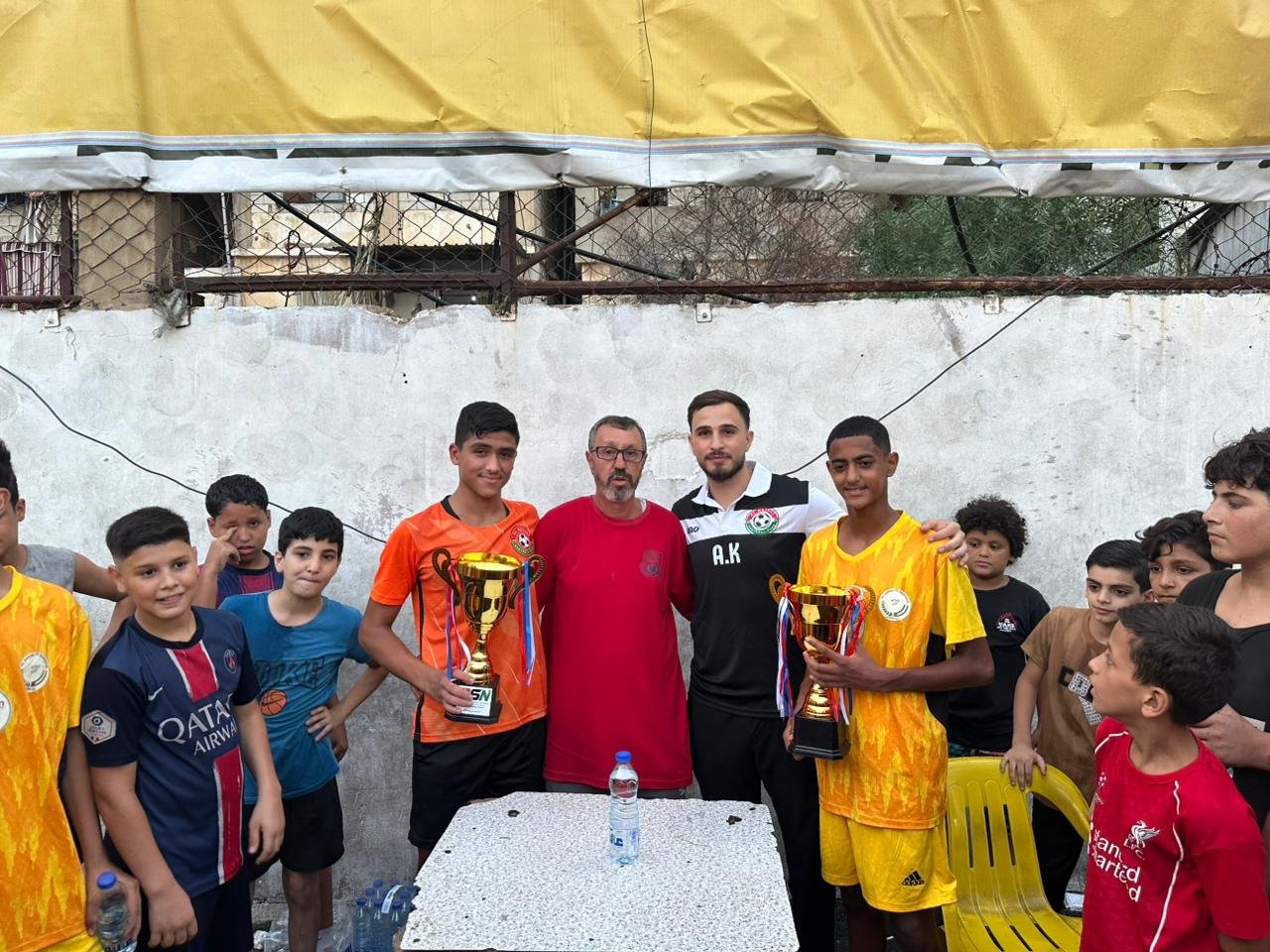
Sport in the Palestinian diaspora is a symbol of identity, resistance, and connection to the homeland. The vision of return and liberation is sustained through hundreds of sporting projects emerging from the heart of the refugee camps. One such project, born among Palestinian youth in the refugee camps of Lebanon, is the Palestinian Sports Network.
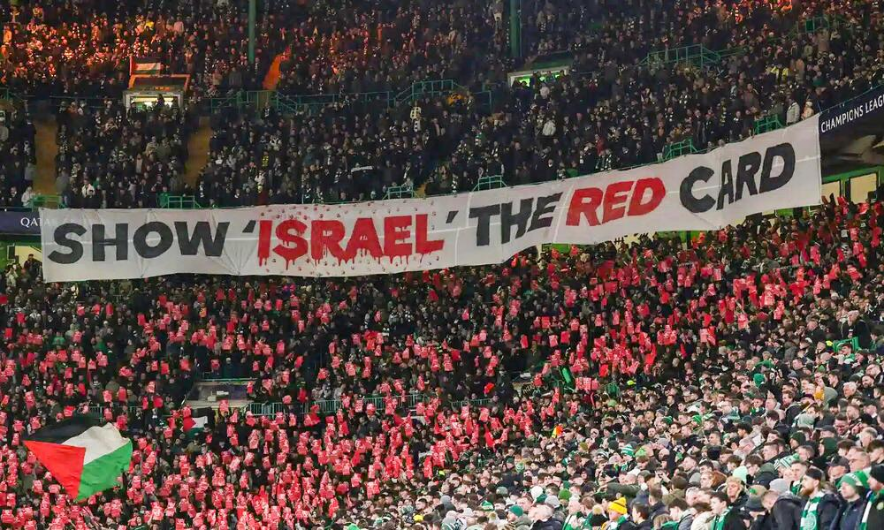
This project was founded at the beginning of the FIFA World Cup currently taking place in the United States, Mexico, and Canada. Its first public initiative was therefore to launch an international popular campaign to expel “Israel” from the Fédération Internationale de Football Association and from all organized sporting competitions: “ISRAEL OUT OF FIFA.”
In conversations with founding members of the Network, they explained that it was established with the objective of:
“Developing the Palestinian sports movement in the diaspora, especially in the refugee camps in Lebanon, and strengthening cooperation and joint coordination with the sports movement in occupied Palestine, particularly in the Gaza Strip, in a manner that contributes to reinforcing the unity of the Palestinian sports movement and advancing its institutions, clubs, and athletes.”
They also stated:
“We seek to work with various Arab, Islamic, and international sports institutions in order to support Palestinian sport and strengthen its presence in different arenas.”
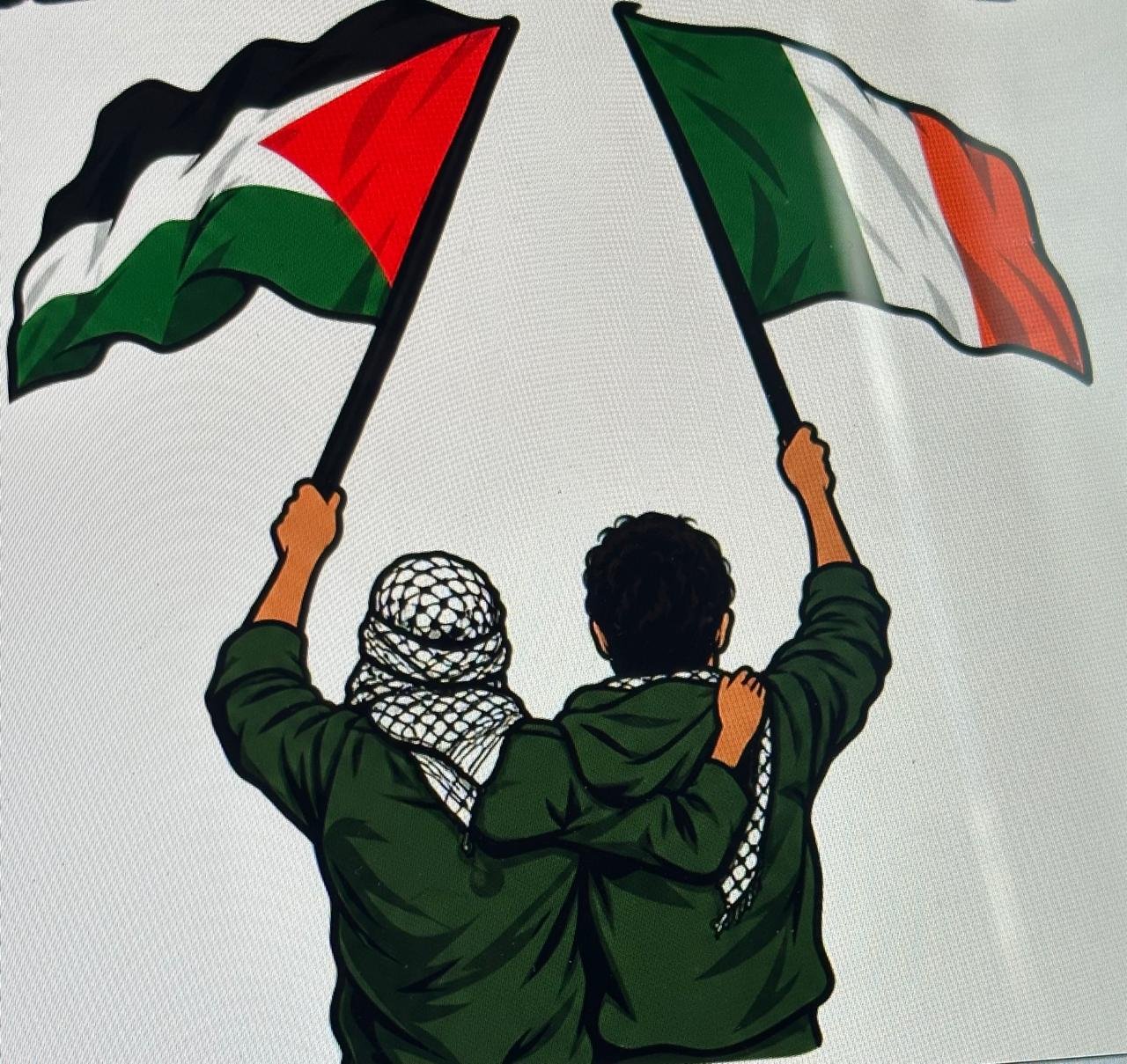
Taking advantage of the global context created by the World Cup, international solidarity with the Network has come from many different places. From Madrid, the capital of the Spanish state, “Boxing for Palestine” has expressed its support for the Network and has begun working together with it toward the shared objective of bringing visibility to the Palestinian cause and denouncing the genocidal State of “Israel.”
In Argentina, in a special statement to the Palestinian Sports Network, Fernando Signorini, the historic fitness coach of Diego Armando Maradona, called on all free people of the world who hope for a more just world to raise their voices and demand the expulsion of “Israel” from all sporting competitions, while also exerting pressure to bring the aggression against Gaza to an end.
As we noted at the beginning, just as Palestinian sport has developed over many years, sport in the Palestinian diaspora has also become a tool for building Palestinian national identity.
In this way, the Palestinian Sports Network, emerging from the refugee camps of Lebanon and Gaza, has come to represent these popular interests in an organized form on the ground, together with new generations of refugees who refuse to lose their identity or surrender their just right to struggle for liberation and return.